
Why Rattlesnakes Prefer Cool Shaded Areas During Arizona Summers
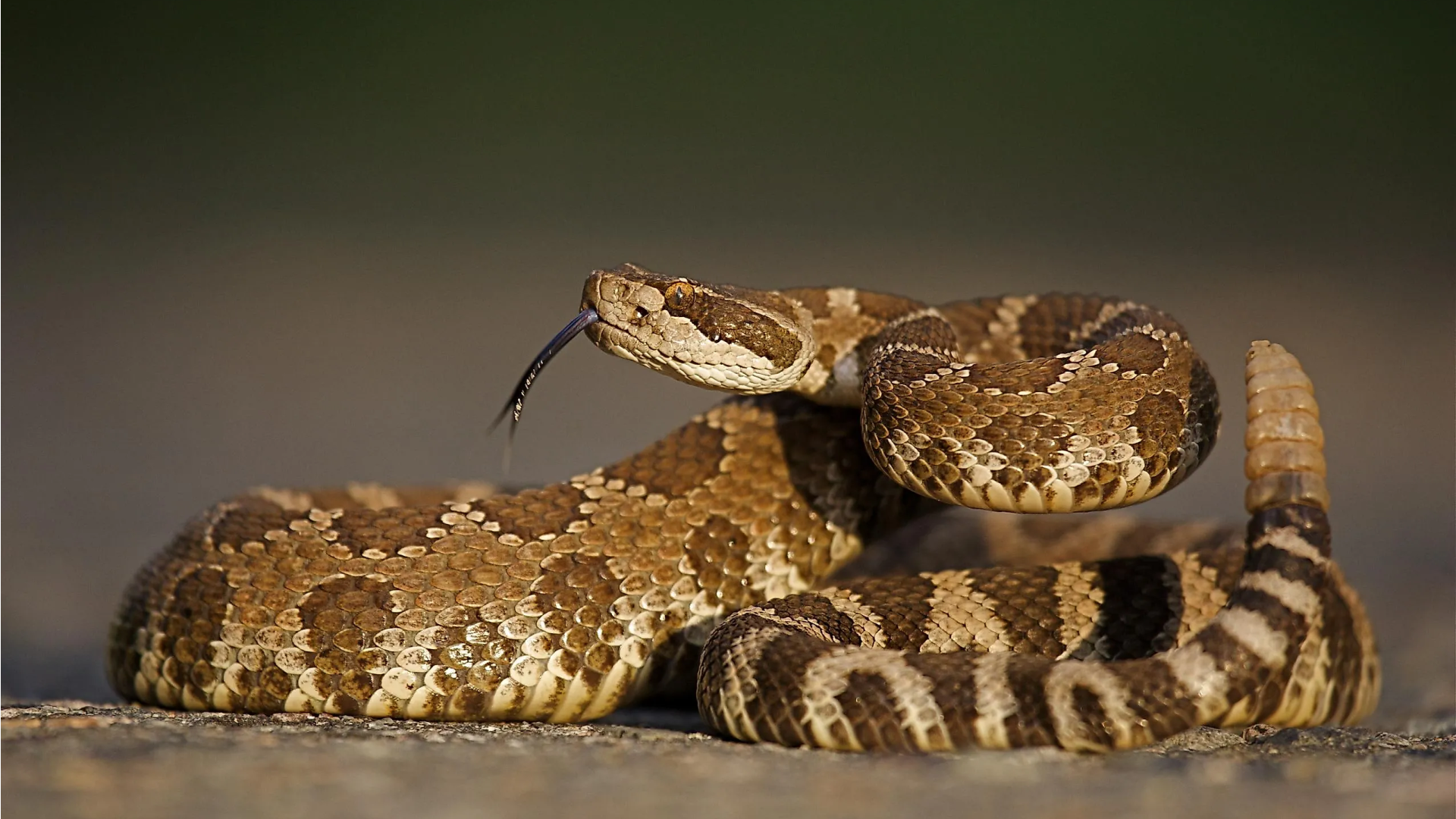
Arizona summers are famous for intense heat, blazing sunshine, and triple-digit temperatures that can last for months. While many people assume rattlesnakes enjoy baking in the desert sun all day, the reality is quite different. During the hottest parts of summer, rattlesnakes actively seek cool, shaded areas to avoid dangerous overheating.
Understanding why rattlesnakes prefer shaded spaces can help homeowners reduce snake encounters and identify areas around their property that may attract these venomous reptiles. Whether you live in Phoenix, Tucson, Scottsdale, Mesa, or another Arizona community, knowing where rattlesnakes hide during summer can help keep your family and pets safer.
Rattlesnakes Need to Regulate Their Body Temperature
Unlike humans, rattlesnakes cannot regulate their body temperature internally. They are ectothermic animals, meaning their body temperature is influenced by their surroundings.
During cooler mornings, rattlesnakes may be seen basking in the sun to warm up. However, once Arizona temperatures climb into the high 90s, 100s, and beyond, direct sunlight can become dangerous even for desert-adapted snakes. To avoid overheating, rattlesnakes move into cooler environments where they can maintain a safe body temperature without excessive exposure to the sun. Knowing the best time of day to spot rattlesnakes and avoid them is essential for anyone living alongside these reptiles.
This natural behavior is one of the main reasons snake sightings often occur in shaded areas rather than open desert landscapes during peak summer heat. It is a stark reminder that not just the desert—why urban rattlesnake sightings are skyrocketing has become a major concern for modern residential neighborhoods.
Why Arizona Summers Drive Snakes Into Shade
Extreme Surface Temperatures
While the air temperature may reach 110°F or higher, ground surfaces such as rocks, concrete, gravel, and pavement can become significantly hotter. These surfaces can quickly raise a rattlesnake's body temperature to dangerous levels. Seeking shade allows the snake to stay active while avoiding potentially lethal heat exposure.
Conserving Moisture
Arizona's dry climate creates another challenge for rattlesnakes: dehydration. Although snakes require less water than many animals, they still need to conserve moisture. Shaded areas tend to be cooler and retain slightly more humidity than open sun-exposed locations. By hiding in cool areas, rattlesnakes reduce water loss and improve their chances of surviving long periods of extreme heat.
Preserving Energy
Moving across scorching desert terrain requires energy and increases heat exposure. Remaining in shaded hiding spots during the hottest hours allows rattlesnakes to conserve energy until temperatures become more comfortable. This explains why they transition into nocturnal predators and the midnight crawl: what snakes do while you sleep during the peak of summer.
Common Shaded Areas That Attract Rattlesnakes
Many homeowners are surprised to learn that residential properties can provide ideal summer shelter for rattlesnakes. When exploring what attracts rattlesnakes to your home and how to stop it, several key architectural and landscaping features stand out as high-risk zones.
Under Decks and Patios
Raised patios and decks often provide cool, protected spaces that remain shaded throughout the day. These areas can become attractive resting spots for rattlesnakes seeking relief from the heat.
Dense Landscaping
Overgrown shrubs, bushes, ornamental grasses, and ground cover plants create natural shade while offering protection from predators. If you have decorative stone features, remember that buried in the gravel: the silent risk of decorative rock landscaping makes poorly maintained yards an attractive snake habitat.
Rock Piles and Retaining Walls
Decorative rock features and retaining walls create numerous cool crevices where rattlesnakes can shelter. These locations often remain significantly cooler than surrounding exposed surfaces, frequently serving as seasonal rattlesnake den sites.
Wood Piles and Stored Materials
Stacks of lumber, firewood, construction materials, and outdoor equipment provide both shade and protection. These areas may also attract rodents, creating an additional food source that draws snakes close to human activity.
Garages, Sheds, and Crawl Spaces
If small openings are present, rattlesnakes will exploit how rattlesnakes get into arizona homes through tiny gaps you never notice to escape extreme outdoor temperatures. Dark, cool environments like a basement or foundation gap provide an ideal summer refuge, illustrating the forgotten crawlspace: why your crawl space isn't empty—it's occupied.
How Shade Also Brings Prey Animals
Rattlesnakes are not only searching for cooler temperatures; they are also following their food sources. Rodents, lizards, birds, and other small animals frequently seek shelter in shaded locations during hot weather. As prey gathers in cooler environments, rattlesnakes naturally follow.
This predator-prey relationship underscores the close link between rattlesnakes and rodents: the hidden relationship that invites danger. Homeowners who actively address rodent populations around their property may significantly reduce the likelihood of attracting rattlesnakes.
Signs a Rattlesnake May Be Using Your Property
Arizona homeowners should be alert for indicators that a venomous reptile may be taking advantage of the shaded areas around their property. Common warning signs include:
Rattlesnake tracks: how to read the signs before you step in dusty soil or gravel.
Shed snake skins caught in desert brush or under the patio.
Increased rodent activity near your home's foundation.
Unusual pet behavior, such as dogs showing a fixated interest in specific hiding spots—a situation highlighting why owners must take dogs and desert death traps: snake aversion training seriously.
Signs a rattlesnake has been living around your property for weeks without your knowledge.
Even if a snake is not immediately visible, recognizing these structural patterns helps you learn how to spot hidden snake habitats around your property before an accidental step leads to an encounter.
How to Make Your Property Less Attractive to Rattlesnakes
While it is impossible to eliminate every wild animal from the surrounding desert, homeowners can take definitive preventative snake measures to reduce attractive hiding areas.
Maintain Landscaping
Trim bushes and shrubs regularly, keeping branches elevated off the ground, and remove excessive ground cover where snakes may hide. This is an essential step in learning how to make your yard less attractive to rattlesnakes: pest, shelter, and access tips.
Eliminate Rodent Activity
Secure trash containers, remove fallen fruit or bird feeders, and address rodent infestations promptly. Effective rodent control and snake prevention must go hand-in-hand to keep your yard secure.
Reduce Clutter
Store wood, building materials, and outdoor equipment off the ground whenever possible to eliminate the cool, dark gaps that snakes love to wedge themselves into.
Seal Entry Points
Inspect garages, sheds, crawl spaces, and foundations for openings. Sealing these gaps prevents snakes from creeping indoors to find shade.
Schedule Professional Snake Inspections
Professional snake removal specialists understand exactly how to execute a thorough assessment. During an onsite visit, they can show you how we inspect properties for potential snake hiding spots, pointing out hidden risks that homeowners easily overlook.
When to Call a Professional Snake Removal Expert
If you discover a rattlesnake on your property, avoid attempting to handle or relocate it yourself. Many common mistakes arizona homeowners make after seeing a rattlesnake involve attempting to kill or catch the animal, which significantly increases the risk of a bite.
Instead, rely on a trained professional from Arizona Snake Removal. Experienced handlers utilize specialized equipment to perform residential snake removal safely and effectively.
                       EMERGENCY SAFETY NOTICE
    If a snake is posing an immediate threat to your family or pets,
    do not lose sight of it. Back away slowly and immediately call
    for expert assistance.
In Arizona, summer is one of the busiest seasons for snake activity. If an emergency arises, contact a team that provides emergency snake removal services to handle the situation day or night. Understanding the rattlesnake removal process: what really happens during a call can give you total peace of mind that the reptile will be caught and managed via humane, professional snake relocation services without risking your safety.
Final Thoughts
Rattlesnakes may be well adapted to desert environments, but they still need protection from Arizona's extreme summer heat. Cool, shaded locations provide the temperature control, moisture conservation, and hunting opportunities they need to survive.
By understanding why rattlesnakes seek shade and identifying common hiding spots around your property, you can take proactive steps to reduce encounters. Maintaining landscaping, controlling rodents, eliminating clutter, and working with professional Arizona snake removal specialists can help create a safer environment throughout the hottest months of the year. When temperatures soar, remember that rattlesnakes are often looking for the same thing you are—a cool place to escape the heat.