
How to Make Your Yard Less Attractive to Rattlesnakes: Pest, Shelter & Access Tips
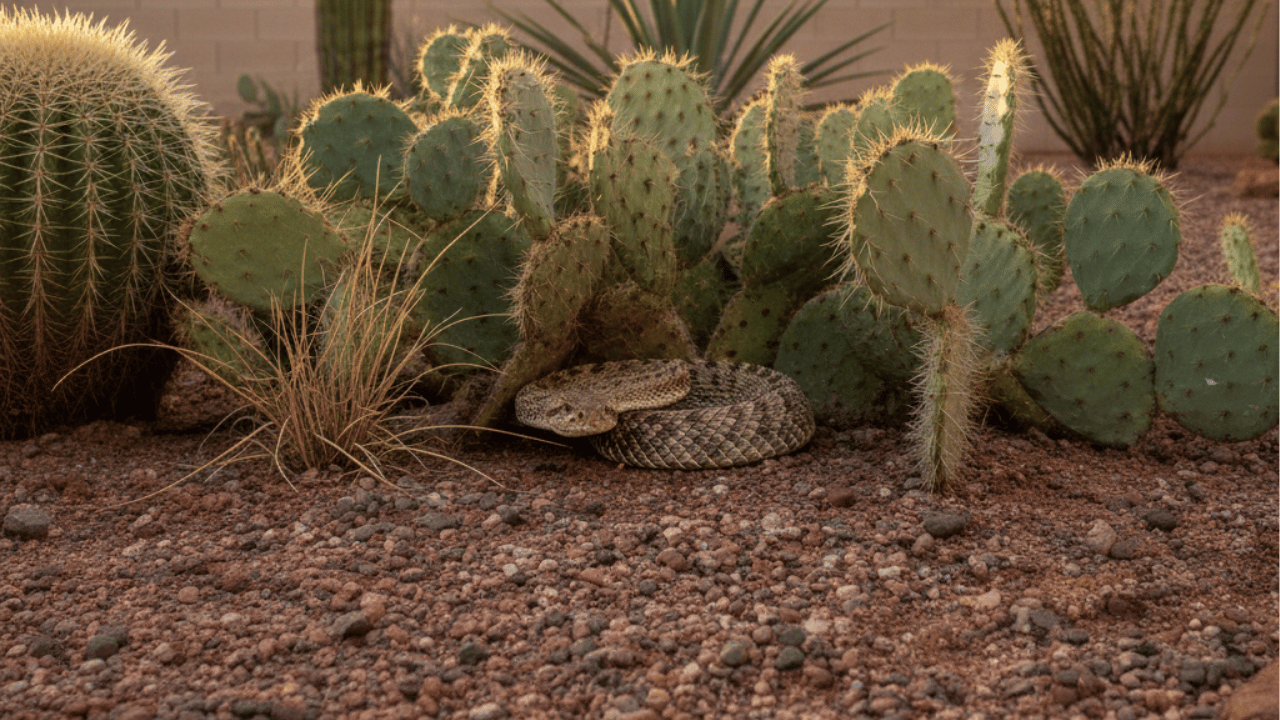
How to Make Your Yard Less Attractive to Rattlesnakes in Arizona
If you live in rattlesnake country, you don’t need to panic—but you do need to be proactive. Most rattlesnakes don’t show up randomly. They’re usually following food, looking for shelter, or slipping through easy access points you didn’t even know existed.
The good news? A few smart changes can make your yard far less appealing to snakes. Rattlesnake prevention isn’t about eliminating wildlife. It’s about removing the reasons snakes want to stay.
Let’s walk through practical, realistic ways to protect your property by focusing on three key factors: pests, shelter, and access.
For more insight into why snake calls are increasing across the Valley, read our pillar guide:
When the Desert Crawls: The Real Story Behind Arizona’s Rattlesnake Removals
Why Rattlesnakes Are Attracted to Yards
Rattlesnakes are efficient hunters and survivalists. They look for:
Reliable food sources
Cool, shaded hiding areas
Safe pathways for movement
When these elements exist in your yard, snakes may stop by—even if only temporarily.
If you’re unsure what’s drawing activity to your property, start here:
What Attracts Rattlesnakes to Your Home and How to Stop It
Understanding the “why” behind snake behavior is the foundation of effective prevention.
Control the Food Source: Pest Management Matters
Rodents Attract Snakes
One of the biggest reasons rattlesnakes enter residential yards is prey. Mice, rats, and other small animals attract snakes looking for an easy meal.
Learn more about this connection here:
Rattlesnakes and Rodents: The Hidden Relationship That Invites Danger
To reduce rodent activity:
Secure trash bins and pet food
Clean up fallen fruit from trees
Avoid leaving bird seed on the ground
Seal gaps in sheds and garages
If rodents can’t thrive, snakes have less reason to visit.
Insects and Secondary Food Sources
While rattlesnakes don’t eat insects directly, insects attract lizards and rodents. Keeping pest populations under control indirectly supports your overall snake prevention strategy.
If your pest control company tells you snakes “just happen,” you may want to read:
What the Pest Control Guys Won’t Tell You About Rattlesnakes
Remove Shelter: Eliminate Snake Hiding Spots
Snakes don’t want to be seen. They want cool, shaded protection.
Landscaping That Encourages Snakes
Dense vegetation and ground cover create perfect hiding areas. Decorative gravel and rock beds can also conceal movement.
If you have heavy rock landscaping, don’t miss:
Buried in the Gravel: The Silent Risk of Decorative Rock Landscaping
Reduce shelter by:
Trimming shrubs away from walls and fences
Keeping grass short
Removing thick ground cover near the home
To understand where snakes hide most often, read:
Desert Shadows: Where Do Rattlesnakes Hide on Your Property?
Rock Piles, Woodpiles & Yard Debris
Stacked materials are classic rattlesnake hiding spots. Firewood, construction materials, and debris provide shade and security.
If you store wood outdoors:
Elevate it off the ground
Keep it away from the house
Inspect it before handling
Crawl spaces and garages are also high-risk areas. Learn more:
Top Risk Areas in Homes for Rattlesnakes: Garages, Crawl Spaces & Hidden Pockets
Limit Access: Close the Door on Snakes
Seal Entry Points Around the Home
Snakes can fit through surprisingly small gaps. Common entry points include:
Gaps under gates
Cracks in foundations
Openings around utility lines
Professional property inspections often reveal access points homeowners miss.
How We Inspect Properties for Potential Snake Hiding Spots
Fencing and Barriers
In many cases, installing a properly built snake fence is one of the most effective preventative measures.
Before installing one, read:
So You’re Thinking About a Rattlesnake Fence
For seasonal homes or long absences, review:
Preventative Measures: How to Snake-Proof Your Seasonal Home Before You Return
You can also explore professional Preventative Snake Measures for long-term protection.
Pay Attention to Water and Shade
Water features, leaking irrigation systems, and deep shade create cool environments that attract both prey and snakes.
Pools are a common issue in Arizona. Learn why here:
Rattlesnakes in Pools: Why Your Backyard Oasis Is a Desert Trap
Maintaining irrigation systems and reducing excess moisture makes your yard less inviting.
When to Consider Professional Snake Prevention Services
Some properties border open desert or undeveloped land where snake activity is unavoidable. In those cases, professional guidance matters.
At Arizona Snake Removal, trained specialists provide:
Thorough property inspections
Residential snake removal
Commercial snake removal
Humane relocation services
Emergency 24/7 response
If you encounter an immediate threat, professional Emergency Snake Removal is the safest option.
Want to know what happens during a call? Read:
What to Expect During Emergency Snake Removal
For homeowners, learn why experience matters:
Why Professional Residential Snake Removal Beats DIY Every Time
If you manage warehouses, HOAs, or office spaces, explore:
How Commercial Snake Removal Works for Warehouses and Office Complexes in Arizona
When relocation is necessary, professionals focus on ethical handling:
Relocation, Not Removal: Why We Humanely Move Rattlesnakes Back to Nature
Prevention Is About Awareness
Making your yard less attractive to rattlesnakes doesn’t mean turning it into a barren space. It means:
Managing pests
Reducing shelter
Limiting access
Staying aware of seasonal behavior
If you’re unsure where to start, schedule a consultation through our Residential Snake Removal Services page or learn more About Us.
The goal isn’t fear. It’s preparation.
With the right preventative steps, you can enjoy your yard with confidence—knowing you’ve made it far less inviting to unwanted wildlife.