
Top Risk Areas in Homes for Rattlesnakes: Garages, Crawl Spaces & Hidden Pockets
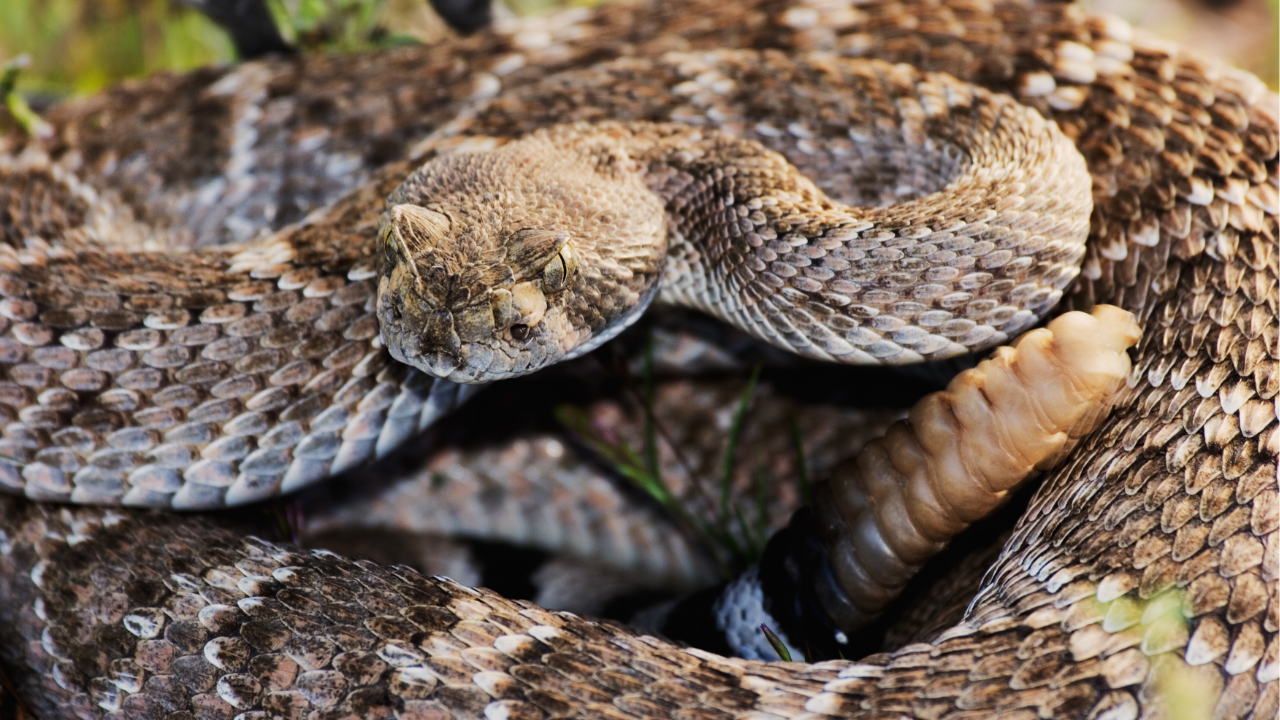
If you live in rattlesnake country, you already know they’re not something you expect to see—but they’re also not something you can’t ignore. The reality is that most rattlesnake encounters don’t happen on hiking trails. They happen at home, often in places homeowners rarely check.
Rattlesnakes aren’t invading houses to be aggressive. They’re looking for shelter, stable temperatures, and food. Unfortunately, many Arizona homes provide all three. Below, we break down the top risk areas in homes for rattlesnakes, why snakes choose them, and how homeowners can reduce the chances of an unwanted encounter—with insight from local experts at Arizona Snake Removal.
Why Rattlesnakes Are Attracted to Homes
Rattlesnakes are highly adaptive desert survivors. They look for:
Shade and consistent temperatures
Protection from predators
Easy access to rodents
Quiet, undisturbed spaces
Homes in desert, foothill, and semi-urban areas naturally offer these conditions. As explained in What Attracts Rattlesnakes to Your Home—and How to Stop It, understanding where rattlesnakes hide is the first step toward prevention.
Garages: One of the Most Common Snake Entry Points
Why Garages Attract Rattlesnakes
Garages are one of the highest-risk areas for rattlesnake encounters. They’re dark, quiet, temperature-stable, and often filled with stored items that attract rodents. Small gaps under garage doors make easy entry points.
Rattlesnakes enter garages to:
Escape extreme heat
Follow prey like mice
Shelter overnight
This is one of the most common reasons homeowners call for residential snake removal services.
Warning Signs in Garages
Shed snake skins
Rodent droppings
Gaps near doors, walls, or door tracks
Keeping garage doors sealed and clutter minimized can significantly reduce rattlesnake activity. For deeper insight, see The Forgotten Crawlspace—Why Your Crawl Space Isn’t Empty, which often overlaps with garage risks.
Crawl Spaces: The Perfect Hidden Shelter
Crawl spaces are nearly ideal snake shelters. They offer darkness, steady temperatures, and minimal human disturbance. Once a rattlesnake finds its way in, it may stay for days or weeks.
These spaces are especially dangerous because homeowners rarely notice snakes below them—until the snake relocates.
Common access points include:
Foundation cracks
Open vents
Loose or damaged access panels
Professional inspections and preventative snake measures are critical for crawl-space protection.
Hidden Pockets Around the Home
Rock Piles and Decorative Landscaping
Stacked stone, decorative gravel, and rock features create perfect snake cover. These hidden pockets often sit close to foundations, allowing rattlesnakes to move easily between outdoor shelter and indoor spaces.
This risk is detailed in Buried in the Gravel: The Silent Risk of Decorative Rock Landscaping.
Storage Areas and Yard Debris
Woodpiles, unused planters, and stacked materials attract rodents—which attract rattlesnakes. Keeping storage elevated and away from structures greatly reduces risk.
Patios, Porches, and Entryways
Covered patios and porches provide shade and protection during hot afternoons. Rattlesnakes may coil beneath:
Outdoor furniture
Door mats
Steps and thresholds
Entryways are especially dangerous because people don’t expect snakes there. Regular checks and awareness help prevent surprise encounters, especially during peak activity seasons discussed in Why Rattlesnakes Are More Active After Monsoon Rains.
HVAC Units and Utility Areas
Air conditioning units, pool equipment, and utility boxes create warm, sheltered hiding spots. These areas often go unnoticed until maintenance is needed—exactly when snake encounters happen.
For more detail, see Rattlesnakes and HVAC Units: Hidden Risks Around Your Outdoor Equipment.
How to Reduce Rattlesnake Risk at Home
Practical, proven prevention steps include:
Sealing gaps under doors and foundations
Keeping yards free of clutter and debris
Reducing rodent populations
Trimming shrubs away from buildings
Storing firewood elevated and away from the home
These strategies align with guidance from How to Snake-Proof Your Yard: Lessons from the Arizona Desert.
When to Call Professional Snake Removal
If a rattlesnake is spotted in or near your home, do not attempt DIY removal. Professional teams provide safe, humane solutions through services like:
Commercial snake removal for shared properties
Professionals understand rattlesnake behavior, legal protections, and safe handling methods—something every homeowner should respect, as explained in Why Killing Rattlesnakes Might Be Illegal in Arizona.
Final Thoughts: Awareness Is Your Best Protection
Rattlesnakes don’t belong inside homes—but they often end up there unintentionally. Garages, crawl spaces, and hidden pockets create ideal conditions unless they’re properly managed.
By understanding the top risk areas in homes for rattlesnakes, staying alert, and taking preventative action, homeowners can dramatically reduce the chances of a dangerous encounter.
In rattlesnake country, prevention isn’t about fear—it’s about smart, informed living. And when in doubt, professional help from trusted local experts is always the safest choice.