
How We Inspect Properties for Potential Snake Hiding Spots
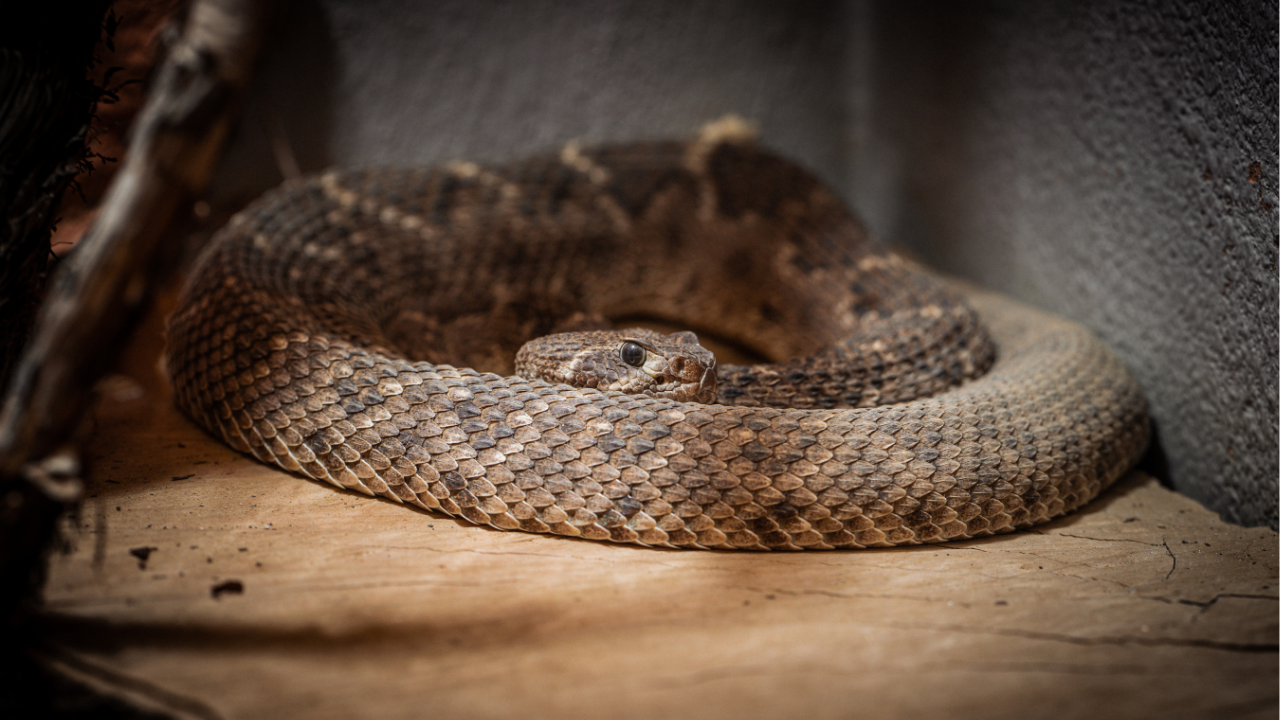
If you live in snake country, you know the uneasy feeling of wondering where a snake might be hiding. Most people picture snakes out on trails or in open desert—but many snake encounters actually happen right on residential and commercial properties.
That’s why professional snake inspections are a crucial part of snake prevention. During an inspection, we’re not just looking for snakes—we’re identifying the conditions that attract them in the first place. Here’s how a professional snake inspection works, what we look for, and how it keeps your property safer long-term.
Why Snake Property Inspections Matter
Snake inspections are about prevention, not panic. Snakes are opportunistic. If your property offers shelter, shade, and food, they may move in—even if you never see them.
A thorough inspection helps:
Identify hidden snake entry points
Reduce future snake encounters
Protect pets, children, and visitors
Support long-term snake prevention strategies
This proactive approach is far more effective than reacting after a snake is already inside.
Step One: Evaluating the Property’s Surroundings
Understanding the Bigger Picture
Inspections start with the surrounding environment. Snakes don’t appear randomly—they follow food and shelter.
We examine:
Nearby desert, washes, or open land
Rock formations and natural cover
Signs of rodent activity
Properties near natural snake habitats require extra attention to potential access points and hiding areas. For more on desert snakes, see When the Desert Crawls: The Real Story Behind Arizona’s Rattlesnake Removals.
Step Two: Inspecting Perimeter Entry Points
Gaps, Cracks, and Openings
Snakes don’t need much space to enter. Small gaps around doors, garages, and foundations are common entry points.
We closely inspect:
Garage door gaps
Exterior doors and thresholds
Foundation cracks
Utility and plumbing penetrations
Sealing these areas is one of the most effective ways to prevent snakes from entering homes and buildings.
Step Three: Identifying High-Risk Outdoor Hiding Spots
Landscaping and Yard Features
Certain landscaping features unintentionally create ideal snake hiding spots. During inspections, we check:
Rock piles and decorative stone (Buried in the Gravel: The Silent Risk of Decorative Rock Landscaping)
Dense shrubs and overgrown plants
Woodpiles and yard debris
Snakes use these areas for shade and protection, especially during hot weather.
Water and Utility Areas
Irrigation systems, pool equipment, and HVAC units often create cool, shaded spaces. These spots are frequently overlooked but commonly used by snakes.
Step Four: Checking Garages, Sheds, and Storage Areas
Why Snakes Love These Spaces
Garages and sheds are some of the most common snake hiding spots on properties—they’re quiet, dark, and often cluttered.
We inspect for:
Rodent droppings or nests
Gaps under doors
Unused storage creating shelter
Reducing clutter and sealing access points makes these areas far less attractive to snakes. For more insights, see Top Risk Areas in Homes for Rattlesnakes.
Step Five: Inspecting Crawl Spaces and Foundations
Hidden Areas Homeowners Rarely See
Crawl spaces provide stable temperatures and near-total isolation—exactly what snakes want. We inspect:
Crawl space vents
Access panels
Foundation gaps and cracks
These inspections are critical, as snakes can remain undetected for long periods. Read more in The Forgotten Crawlspace: Why Your Crawl Space Isn’t Empty—It’s Occupied.
Step Six: Looking for Signs of Snake Activity
Subtle Clues That Matter
Even if a snake isn’t present, there are often signs they’ve been nearby. We look for:
Shed skins
Tracks in dirt or dust (Rattlesnake Tracks: How to Read the Signs Before You Step)
Concentrated rodent activity
These clues help determine whether snakes have already been using the property.
Step Seven: Providing a Snake Prevention Plan
Practical, Actionable Recommendations
A professional snake inspection doesn’t end with a checklist—it ends with solutions. Recommendations may include:
Sealing specific gaps or entry points
Modifying landscaping
Reducing rodent attractants
Scheduling routine snake prevention services
Every property is different, so prevention plans are customized for your home or business.
Why Professional Snake Inspections Are Worth It
Snake prevention is about reducing risk, not eliminating wildlife. Professional inspections bring experience, trained observation, and a deep understanding of snake behavior.
Homeowners and businesses benefit from:
Reduced likelihood of snake encounters
Increased peace of mind
Safer environments for pets and families
For emergencies, Arizona Snake Removal provides rapid, professional support.
Final Thoughts: Prevention Starts with Awareness
Snakes don’t hide to scare—they hide to survive. When properties unknowingly offer shelter and food, snakes take advantage.
Understanding how professionals inspect properties for snake hiding spots helps homeowners make smarter, safer choices. With proper inspections, preventative measures, and awareness, coexistence with wildlife becomes far less stressful—and far safer.
For more resources on safe snake handling and relocation, explore snake relocation services and educational programs.
When it comes to snakes, the safest encounter is the one that never happens.