
Relocation, Not Removal: Why We Humanely Move Rattlesnakes Back to Nature
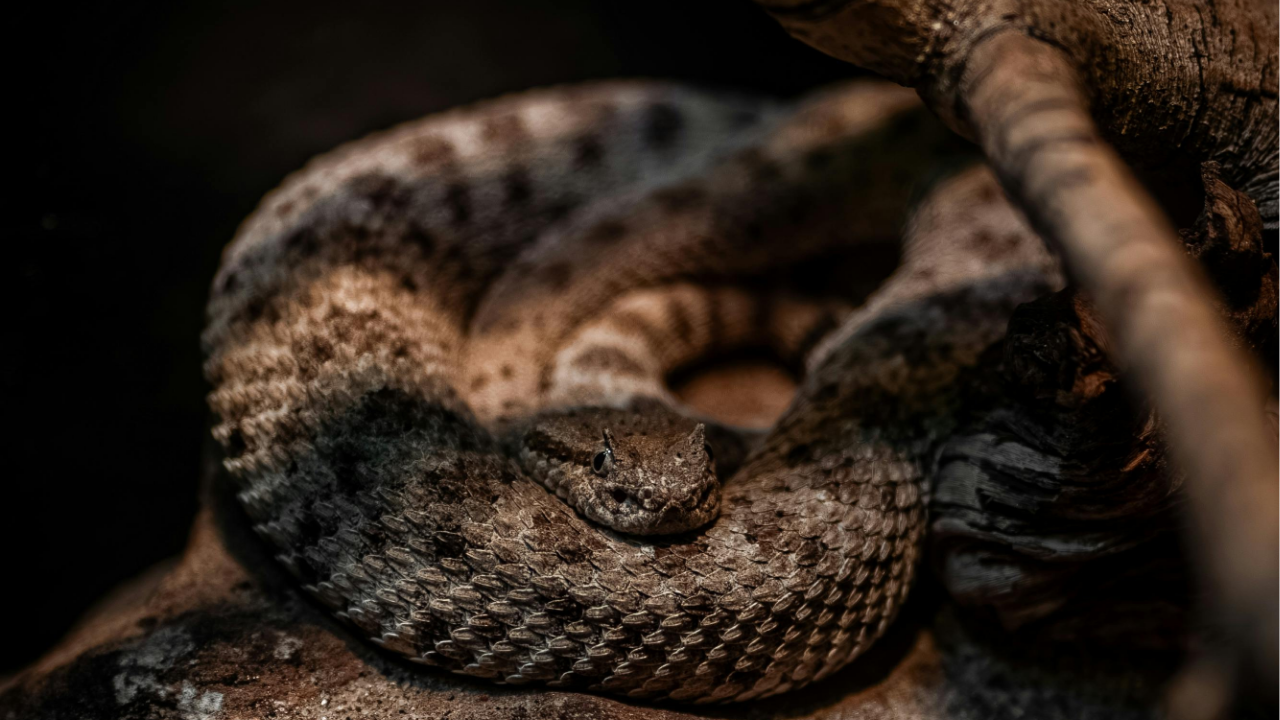
In rattlesnake country, seeing a snake near your home or business can be unsettling. The first instinct for many people is simple: get rid of it. But professional snake services take a very different approach—one rooted in safety, ethics, and long-term results.
That’s why our team at Arizona Snake Removal focuses on rattlesnake relocation, not just removal. Humane snake relocation protects people, preserves local wildlife, and prevents future problems that killing or improper handling can actually make worse.
Why Rattlesnakes End Up Near People
Rattlesnakes don’t seek out human spaces—they follow resources. Homes, commercial properties, and construction sites often provide exactly what snakes need to survive in the desert heat.
Common attractants include:
Rodents and other prey: Learn more about rattlesnakes and rodents to understand what draws them in.
Shade and temperature control: Discover where rattlesnakes hide on your property during the day.
Rock features and debris: Understanding the risk of decorative rock landscaping is key for homeowners.
Water sources: Pools and irrigation systems are major draws for thirsty wildlife.
Relocation addresses the immediate concern while allowing professionals to identify what attracts rattlesnakes to your home in the first place.
Relocation vs. Removal: What’s the Difference?
Removal Often Focuses on Elimination
To many, "removal" implies killing or permanently displacing a snake without considering the broader ecosystem. This approach can be dangerous, potentially illegal, and ineffective in the long term.
Relocation Focuses on Balance
Our snake relocation services safely capture the snake and release it into a suitable natural habitat. This ensures the snake can survive without posing a risk to people. This method keeps both humans and wildlife safe without disrupting the delicate desert ecosystem.
Why Humane Snake Relocation Matters
Rattlesnakes Play an Important Role
Rattlesnakes are natural pest controllers. By managing rodent populations, they help reduce the spread of disease and property damage. Removing them entirely can lead to a surge in rodent activity—which often creates even bigger problems for residential snake removal clients.
Killing Snakes Often Creates More Risk
Eliminating a snake doesn’t solve the underlying issue. If food and shelter remain available, another snake will eventually move in. This is why professional snake removal beats DIY every time; it focuses on long-term safety rather than a temporary fix.
How Professional Rattlesnake Relocation Works
1. Safe Identification
Our about us page highlights our expertise in identifying species and behavior before taking action. This ensures proper handling and total compliance with wildlife regulations.
2. Controlled Capture
Using specialized equipment, trained technicians perform emergency snake removal to secure the snake without injuring it or placing bystanders at risk.
3. Ethical Release
The snake is moved to an environment that supports its survival while reducing the chance of return. You can read more about the ethics and conservation of the relocation process to see how we maintain this balance.
Safety First for People and Pets
DIY snake handling is a leading cause of bites. Our experts minimize risk by:
Keeping a safe distance between people and the snake.
Preventing panic-driven mistakes.
Protecting pets from potential desert traps.
Relocation Is Only Part of the Solution
Once the immediate threat is gone, we focus on preventative snake measures. Lasting peace of mind comes from:
Sealing gaps and identifying den sites.
Reducing rodent activity.
Modifying landscaping and snake-proofing your yard.
Whether it is for a home or commercial snake removal, these steps are vital to preventing a reoccurrence.
Final Thoughts: Respecting Nature While Staying Safe
Rattlesnakes are not villains—they are wildlife adapting to shrinking natural spaces. Choosing relocation over removal reduces risk, supports conservation, and creates a safer environment for everyone. Through educational programs, we help communities understand that coexistence is not just possible—it’s practical.