
Understanding the Rattlesnake Relocation Process: Ethics, Safety & Conservation
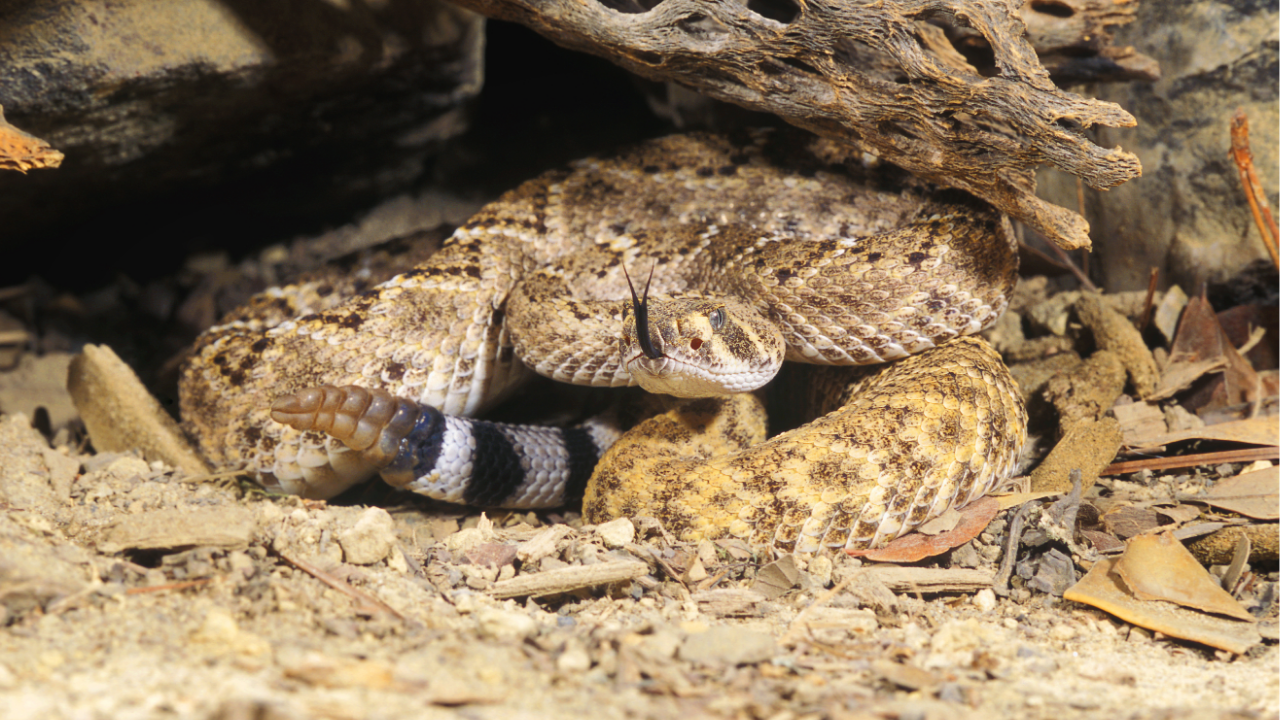
If you live in Arizona or the Southwest, chances are you’ve had at least one moment where you froze mid-step, stared at the ground, and thought, “Is that… a rattlesnake?” Your pulse spikes, your instincts kick in, and the question becomes very real, very fast: What happens to that snake now?
Many homeowners are surprised to learn that professional rattlesnake relocation is not only common—but often the most ethical, safest, and legally responsible option. Companies like Arizona Snake Removal specialize in resolving these encounters without putting people or wildlife at unnecessary risk.
Let’s break down how the rattlesnake relocation process works, why it matters, and how it protects both people and wildlife.
Why Rattlesnake Relocation Exists
Rattlesnakes aren’t invaders. They’re native residents that were here long before homes, patios, and golf courses. As cities expanded into desert landscapes, encounters became inevitable—a trend explored in depth in Why Urban Rattlesnake Sightings Are Skyrocketing.
Rattlesnake relocation exists to solve one problem without creating another. Instead of killing snakes or risking dangerous DIY removal, trained professionals safely remove and relocate them away from residential and commercial areas using dedicated snake relocation services.
This approach protects:
Homeowners and pets
Emergency responders
Native wildlife populations
Local ecosystems
It’s not about choosing snakes over people—it’s about keeping everyone safe.
Ethics Behind Rattlesnake Relocation
Respecting Native Wildlife
Rattlesnakes play a vital role in Arizona’s ecosystem by controlling rodent populations—a relationship detailed in Rattlesnakes and Rodents: The Hidden Relationship That Invites Danger. Removing them permanently can disrupt the natural balance and create unintended consequences.
Ethical rattlesnake relocation focuses on coexistence, not eradication. The goal is to move the snake out of harm’s way—not punish it for doing what snakes do. In many cases, killing a rattlesnake may even be illegal, as explained in Why Killing Rattlesnakes Might Be Illegal in Arizona.
Humane Handling Practices
Professional snake removal technicians are trained to minimize stress and injury to the animal. Using specialized tools and calm handling techniques, they reduce risk to both the snake and the technician. This humane approach mirrors the practices outlined in The Rattlesnake Removal Process: What Really Happens During a Call.
Safety Comes First: Protecting People and Property
Why DIY Snake Removal Is Dangerous
Most rattlesnake bites happen when someone tries to handle, kill, or “shoo away” a snake. Many of the most dangerous myths surrounding this behavior are addressed in Top 5 Rattlesnake Myths That Could Get You Bitten.
Professional residential snake removal removes the risk from homeowners, families, and pets—especially during high-activity periods like monsoon season.
Trained Professionals Know Snake Behavior
Licensed specialists understand rattlesnake body language—when they’re defensive, when they’re stressed, and when they’re likely to strike. This expertise allows safe removals from garages, backyards, crawlspaces, and even inside homes, scenarios often discussed in Desert Shadows: Where Do Rattlesnakes Hide on Your Property?.
How the Rattlesnake Relocation Process Works
Step 1: Identification and Assessment
Arizona is home to 13 rattlesnake species, many commonly found near homes, as outlined in Top Rattlesnake Species Found in Arizona Backyards. Professionals assess:
Species and size
Location (yard, garage, commercial site)
Risk level to people and animals
This determines the safest removal strategy.
Step 2: Safe Capture
Using snake hooks, tongs, and secure containment tools, technicians carefully capture the rattlesnake without harming it. This controlled approach prevents defensive strikes and unnecessary stress.
Step 3: Legal and Responsible Relocation
Snakes are released into appropriate habitats away from populated areas, following Arizona wildlife guidelines. Improper relocation can reduce survival rates, a concern frequently misunderstood by the public.
For businesses and large properties, this same process applies through specialized commercial snake removal services.
Conservation: Why Relocation Matters Long-Term
Relocation supports ecosystem balance while reducing human-wildlife conflict. It also pairs naturally with preventative snake measures, such as habitat modification and exclusion fencing.
Homeowners who invest in prevention dramatically reduce repeat encounters—a strategy explained further in How to Snake-Proof Your Yard: Lessons from the Arizona Desert.
What Homeowners Should Do During a Snake Encounter
If you encounter a rattlesnake:
Keep your distance (at least 6 feet)
Bring pets and children indoors
Do not attempt to handle or kill the snake
Call a professional, especially for urgent situations requiring emergency snake removal
Remaining calm is one of the most important safety steps.
The Bottom Line: Relocation Is the Responsible Choice
Understanding the rattlesnake relocation process helps take the fear out of the situation. It’s not about choosing sides—it’s about smart, ethical problem-solving backed by science, safety, and conservation.
Professional rattlesnake relocation protects people, respects wildlife, and supports desert ecosystems that have existed long before modern development. When rattlesnakes wander into human spaces, relocation remains the safest, most humane, and most responsible solution for everyone involved.
For those wanting deeper insight, ongoing education is available through professional educational programs led by experienced field experts who deal with these encounters every day.