
How Rattlesnakes Get Into Arizona Homes Through Tiny Gaps You Never Notice
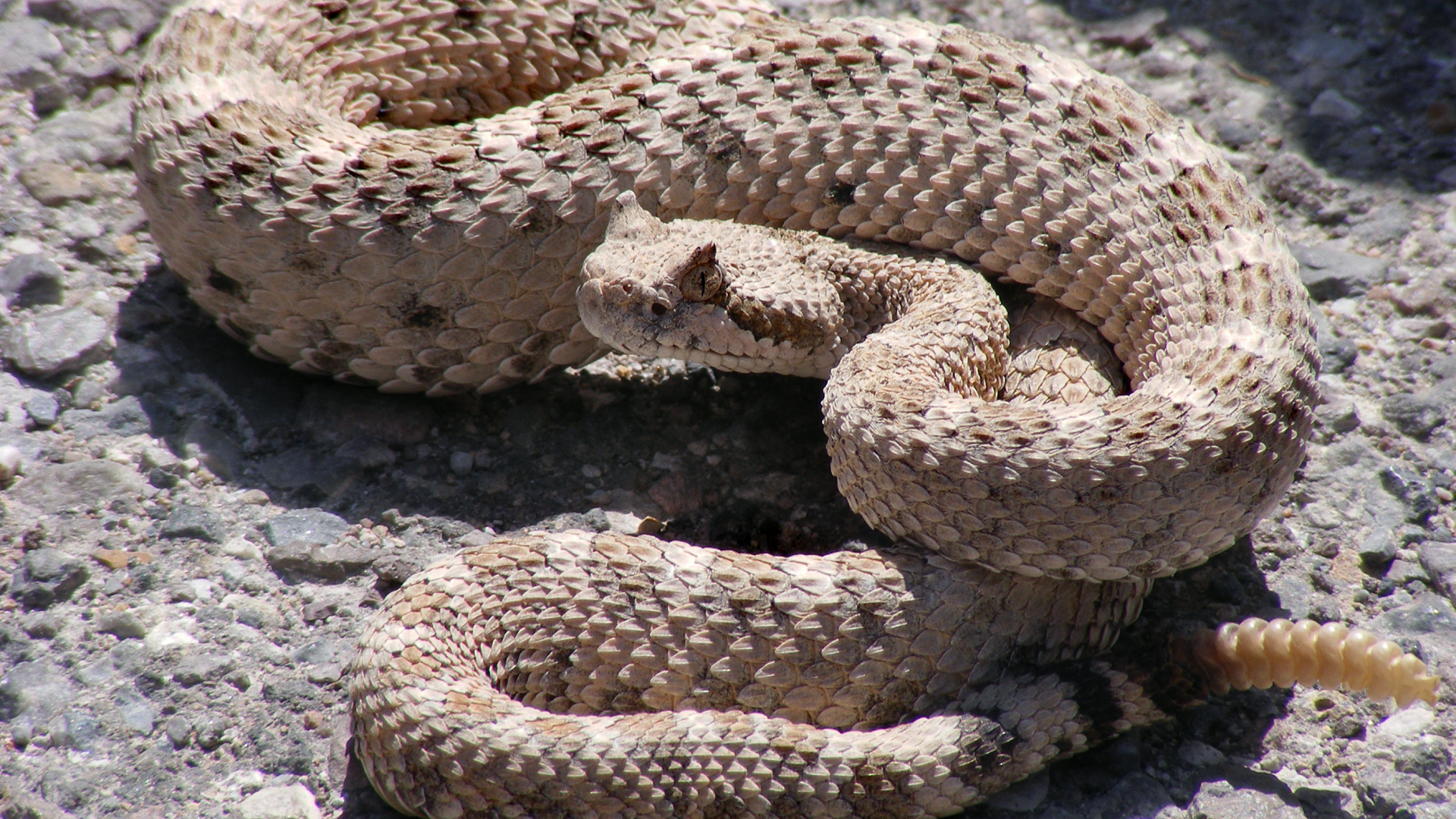
Many Arizona homeowners are surprised to learn that rattlesnakes don’t always enter homes through large openings or obvious damage. In reality, these reptiles are incredibly skilled at slipping through small gaps and hidden entry points most people never notice.
During warmer months—especially in desert and suburban areas—homes can unintentionally become attractive shelter spots for rattlesnakes seeking shade, cooler temperatures, or food sources. Understanding how they get inside is one of the most important steps in effective snake prevention for Arizona homes.
For homeowners who believe snakes only stay in remote desert areas, articles like Not Just the Desert: Why Urban Rattlesnake Sightings Are Skyrocketing reveal how frequently rattlesnakes now appear in residential neighborhoods across Arizona.
Why Rattlesnakes Enter Residential Properties
Rattlesnakes generally do not want to interact with people. Most indoor encounters happen because the snake is searching for:
Shelter from extreme heat
Protection from predators
Access to rodents or other prey
Cool, shaded hiding spots
Arizona’s climate makes homes especially appealing during hot summer days when outdoor surfaces become dangerously warm.
According to the team at Arizona Snake Removal, many calls originate from garages, crawl spaces, storage areas, and shaded exterior walls where snakes naturally seek protection.
Tiny Gaps Can Be Big Enough for a Snake
One of the biggest misconceptions is that a rattlesnake needs a large opening to enter a home. In reality, snakes can flatten and maneuver their bodies through surprisingly tight spaces.
Even small openings around the property can become access points.
Homeowners often underestimate how dangerous overlooked entry points can become. The blog Top Risk Areas in Homes for Rattlesnakes: Garages, Crawl Spaces & Hidden Pockets explains why hidden structural gaps are among the most common indoor snake access routes.
Common Entry Points Homeowners Overlook
Gaps Under Doors
Small spaces beneath exterior doors are one of the most common ways snakes enter garages and homes.
Areas to inspect include:
Garage doors
Back patio doors
Side entrances
Storage room doors
Worn-out door sweeps can create enough space for a snake to slip underneath.
If your garage frequently stays open during warm evenings, the risks increase significantly. This issue is discussed further in The Forgotten Crawlspace: Why Your Crawl Space Isn’t Empty—It’s Occupied.
Cracks in Foundations and Walls
Tiny cracks near the base of a home may seem harmless, but they can provide access to sheltered crawl spaces or interior wall gaps.
Over time, heat and weather can expand these openings without homeowners noticing.
Professional property evaluations such as residential snake removal services often include inspections around foundation lines and structural vulnerabilities.
Open Garage Doors
Garages are especially attractive because they often provide:
Shade and cooler temperatures
Cluttered hiding areas
Rodent activity
Leaving garage doors open—even briefly—can increase the chance of a snake entering unnoticed.
The risks associated with cluttered garages and storage areas are highlighted in How We Inspect Properties for Potential Snake Hiding Spots.
Utility Line Openings
Openings around plumbing, electrical conduits, and HVAC lines are frequently overlooked.
If these gaps are not properly sealed, snakes may use them to enter crawl spaces or indoor areas.
Outdoor equipment can also unintentionally create shaded hiding zones. Homeowners concerned about this issue may find useful guidance in Rattlesnakes and HVAC Units: Hidden Risks Around Your Outdoor Equipment.
Vents and Drainage Areas
Damaged vents or uncovered drains can also become hidden access points, especially for smaller snakes.
Regular inspections are important to catch these vulnerabilities early.
Many homeowners are surprised to learn that decorative landscaping and drainage placement may increase snake activity. The article Buried in the Gravel: The Silent Risk of Decorative Rock Landscaping explains why certain landscaping styles attract reptiles more than expected.
Why Rodents Increase the Risk
One major reason rattlesnakes enter properties is food availability.
If your home has:
Rats or mice
Bird seed attracting rodents
Outdoor pet food
Unsecured trash
…you may unintentionally attract both rodents and the snakes that hunt them.
This is why rodent control and snake prevention go hand in hand.
The relationship between prey activity and snake sightings is explained in detail in Rattlesnakes and Rodents: The Hidden Relationship That Invites Danger.
Signs a Snake May Be Nearby
Even if you haven’t seen a rattlesnake directly, there are warning signs that shouldn’t be ignored.
Common Indicators Include:
Shed snake skins
Increased rodent activity
Strange pet behavior near walls or garages
Unusual odors in enclosed spaces
Slithering tracks in dusty areas
Learning to identify these early clues can prevent dangerous encounters. Articles like Rattlesnake Tracks: How to Read the Signs Before You Step and What Does a Rattlesnake Smell Like? Strange Signs You Might Miss offer additional insight for Arizona homeowners.
How to Protect Your Arizona Home
The best defense against rattlesnakes is reducing opportunities for entry and shelter.
Seal Small Openings
Inspect your property carefully and seal:
Gaps under doors
Cracks in foundations
Openings around pipes and vents
Even small repairs can make a major difference.
Homeowners looking for long-term solutions often explore preventative snake measures to reduce recurring snake activity around residential properties.
Keep Outdoor Areas Clean
Reduce hiding spots by removing:
Yard debris
Woodpiles near the home
Overgrown vegetation
Clutter in garages and storage areas
For additional yard safety strategies, How to Snake-Proof Your Yard: Lessons From the Arizona Desert provides practical prevention recommendations homeowners can apply immediately.
Control Rodent Populations
Since rodents attract snakes, strong rodent prevention measures are essential.
Store food securely and eliminate potential nesting areas around the property.
The importance of combining both pest management and snake prevention is covered in Rodent Control and Snake Prevention: Why One Fails Without the Other.
Stay Alert During Warmer Months
Rattlesnake activity increases during hot weather, especially in spring and summer. Regular property inspections become even more important during these seasons.
Monsoon weather can also trigger increased movement and unexpected encounters. Homeowners can learn more in Monsoon Season & Snake Risk: What Property Owners Should Know.
When to Call a Professional
If you suspect a rattlesnake may be inside your home, garage, or crawl space, avoid trying to remove it yourself.
Professional emergency snake removal experts can:
Safely identify the species
Locate hidden snakes
Remove them humanely
Identify how they entered
This helps reduce both immediate danger and future risk.
Many homeowners also choose snake relocation services to ensure venomous snakes are handled safely and responsibly without harming local wildlife.
Commercial property owners dealing with recurring sightings may also benefit from specialized commercial snake removal strategies designed for warehouses, offices, and large facilities.
For those interested in long-term awareness and prevention, the company’s educational programs help communities better understand snake behavior and safety practices.
You can also learn more about the experienced team behind these services on the About Us page.
Final Thoughts
Rattlesnakes don’t need large openings to enter Arizona homes. Small cracks, gaps, and overlooked entry points are often all they need to find shelter indoors.
The key to prevention is simple: identify vulnerabilities before snakes do.
By sealing entry points, controlling rodents, and maintaining your property carefully, homeowners can greatly reduce the chances of unwanted snake encounters and create a safer living environment year-round.