
How to Spot Hidden Snake Habitats Around Your Property
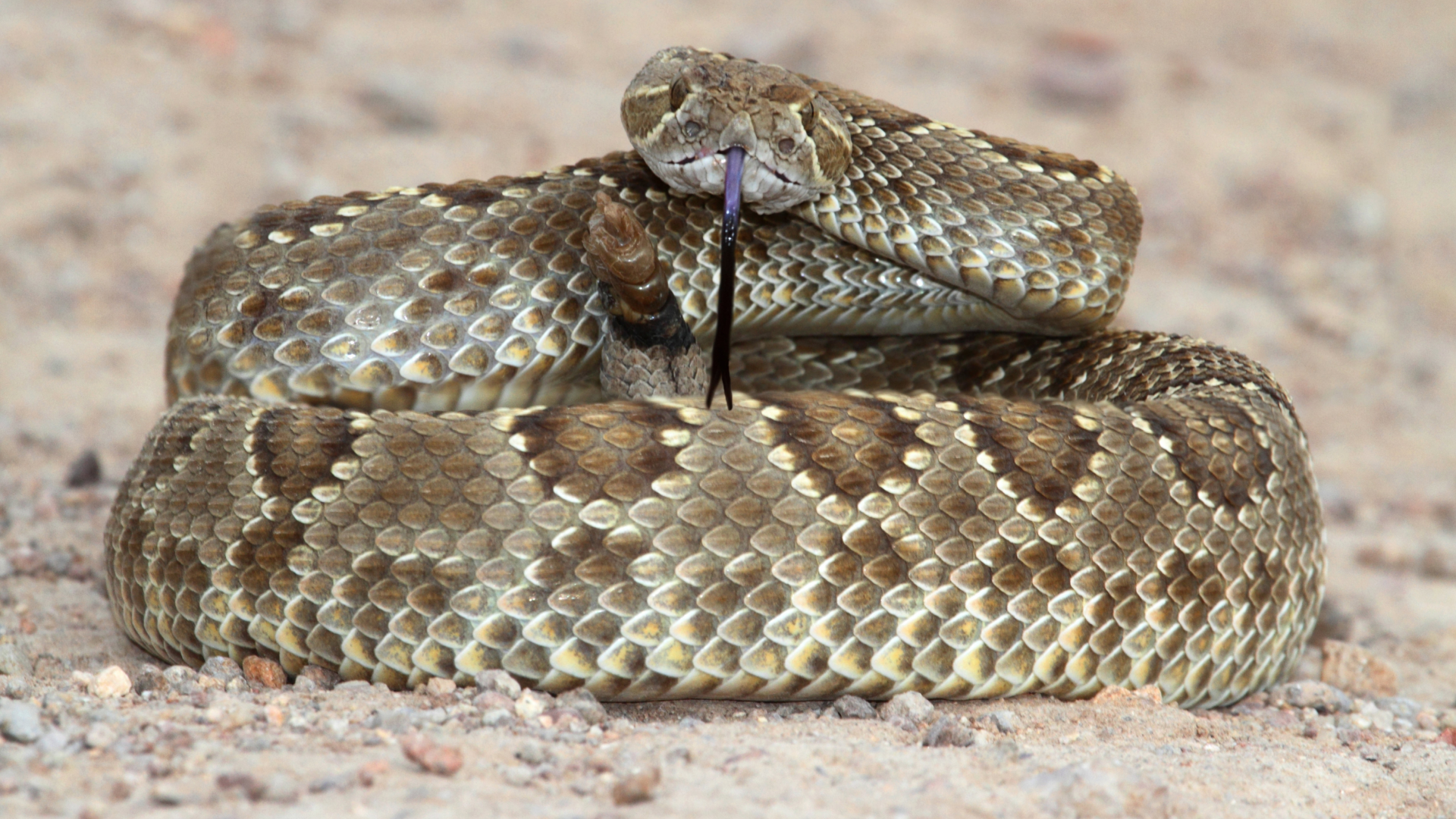
Snakes are naturally good at staying hidden. In many cases, homeowners don’t realize snakes are nearby until they accidentally disturb one. That’s why understanding where snakes like to hide is an important part of snake prevention and property safety.
By learning how to identify potential snake habitats around your home or business, you can reduce the chances of unexpected encounters and make your property less attractive to wildlife. Professional teams like Arizona Snake Removal often find that many snake encounters begin in overlooked areas homeowners rarely inspect.
Why Snakes Choose Certain Areas
Snakes are usually looking for three basic things:
Shelter
Food
Protection from extreme temperatures
Properties that provide these conditions can unintentionally become ideal hiding spots.
Snakes tend to avoid open, exposed spaces. Instead, they prefer cool, quiet, and undisturbed areas where they can stay hidden during the day. As explained in this guide about what attracts rattlesnakes to your home and how to stop it, food sources and shelter are usually the biggest factors.
Common Hidden Snake Habitats Around Properties
Some snake hiding spots are obvious, while others are easy to overlook. Regular inspections can help identify problem areas before they become active habitats. Property owners who invest in preventative snake measures often reduce long-term snake activity significantly.
Woodpiles and Firewood Stacks
Woodpiles are one of the most common snake hiding spots. They offer:
Shade and cooler temperatures
Protection from predators
Easy access to rodents and insects
Keeping firewood elevated and stored away from buildings can help reduce risk.
Many homeowners are surprised to learn how frequently snakes shelter near stacked materials, especially during warmer seasons. Articles like Desert Shadows: Where Do Rattlesnakes Hide on Your Property highlight how simple storage habits can unintentionally create ideal habitats.
Overgrown Grass and Dense Landscaping
Tall grass, thick shrubs, and dense ground cover provide excellent concealment for snakes.
Areas that are especially attractive include:
Untrimmed fence lines
Dense decorative plants
Overgrown garden edges
Regular landscaping maintenance is an important part of snake prevention. Homeowners can also learn practical strategies from How to Snake-Proof Your Yard: Lessons From the Arizona Desert.
Yard Debris and Clutter
Piles of leaves, unused building materials, old equipment, and outdoor clutter create dark, sheltered environments snakes may use for resting or hunting.
Common problem areas include:
Unused corners of the yard
Storage areas behind sheds
Construction debris piles
The more cluttered the area, the more difficult it becomes to spot snake activity early.
Professionals performing residential snake removal often identify debris accumulation as one of the biggest contributing factors to recurring snake encounters.
Rocks, Retaining Walls, and Decorative Stone
Rock piles and retaining walls often contain small gaps and shaded crevices that snakes use for shelter.
These areas can remain cool even during hot weather, making them especially attractive during warmer months.
Decorative gravel can also increase snake activity. The article Buried in the Gravel: The Silent Risk of Decorative Rock Landscaping explains why these features can become hidden danger zones around homes.
Sheds, Garages, and Storage Buildings
Snakes sometimes move into structures when searching for shelter or prey.
Watch for:
Gaps under doors
Open vents
Cracks in foundations
Cluttered storage interiors
Rodent activity inside these structures can further increase the likelihood of snake presence. Businesses with warehouses or outdoor storage areas often benefit from professional commercial snake removal and inspection services.
Related reading such as Top Risk Areas in Homes for Rattlesnakes can help property owners better understand overlooked danger zones.
Signs a Hidden Habitat May Be Active
Even if you don’t see a snake directly, there are often warning signs nearby.
Shed Snake Skins
Snakes shed their skin as they grow. Finding shed skin around your property can indicate regular snake activity.
In some cases, repeated shedding may point to nearby denning locations similar to those discussed in Rattlesnake Den Sites: How to Identify and Remove Them Safely.
Rodent Presence
Since rodents attract snakes, signs of rats or mice may also point to increased snake risk.
This connection is explored further in Rattlesnakes and Rodents: The Hidden Relationship That Invites Danger. Effective rodent control is often one of the most overlooked parts of snake prevention.
Tracks or Trails
In dusty or muddy areas, you may notice slithering patterns or movement trails.
Learning to recognize these signs early can help prevent accidental encounters. Guides like Rattlesnake Tracks: How to Read the Signs Before You Step offer useful insight into identifying snake movement patterns.
Unusual Pet Behavior
Dogs and cats sometimes notice snakes before humans do. Repeated barking, sniffing, or scratching near certain areas may indicate hidden wildlife.
Pet owners may also benefit from reading Rattlesnake-Proofing Your Dog’s Favorite Places to Play and Can Cats Sense Rattlesnakes?.
How to Make Your Property Less Attractive to Snakes
Reducing hiding spots is one of the most effective forms of snake control.
Keep Landscaping Maintained
Mow lawns regularly
Trim shrubs and bushes
Remove dense ground cover near structures
Seasonal maintenance becomes even more important during periods of increased snake activity, including monsoon season. Helpful advice can be found in Monsoon Season & Snake Risk: What Property Owners Should Know.
Remove Clutter
Dispose of unnecessary debris and organize storage areas to eliminate hiding places.
Routine inspections similar to those described in How We Inspect Properties for Potential Snake Hiding Spots can help detect risks early.
Control Rodents
Proper rodent control and snake prevention reduces the food source that attracts snakes.
Seal Entry Points
Inspect buildings for cracks, holes, and gaps where snakes may enter.
Some property owners also consider barriers and fencing systems after reading resources like So You’re Thinking About a Rattlesnake Fence.
When to Call Professionals
If you suspect active snake habitats around your property, professional inspection may be the safest option.
Experts can:
Identify high-risk areas
Detect hidden habitats
Recommend prevention strategies
Safely remove snakes if necessary
This is especially important in regions where venomous species may be present. Homeowners facing urgent situations may require emergency snake removal, while others may benefit from humane snake relocation services.
For those interested in long-term awareness and safety, educational programs can help families and businesses better understand snake behavior and prevention strategies.
You can also learn more about the company’s background and experience on the About Us page.
Final Thoughts
Snakes are experts at staying hidden, which is why prevention starts with knowing where they like to shelter. From woodpiles to overgrown landscaping, small overlooked areas can quickly become ideal habitats.
The good news is that regular maintenance and awareness can make a major difference.
By identifying and addressing hidden snake habitats early, property owners can create a safer environment while reducing the likelihood of unwanted encounters.