
The Role of Licensed Professionals in Humane Snake Capture
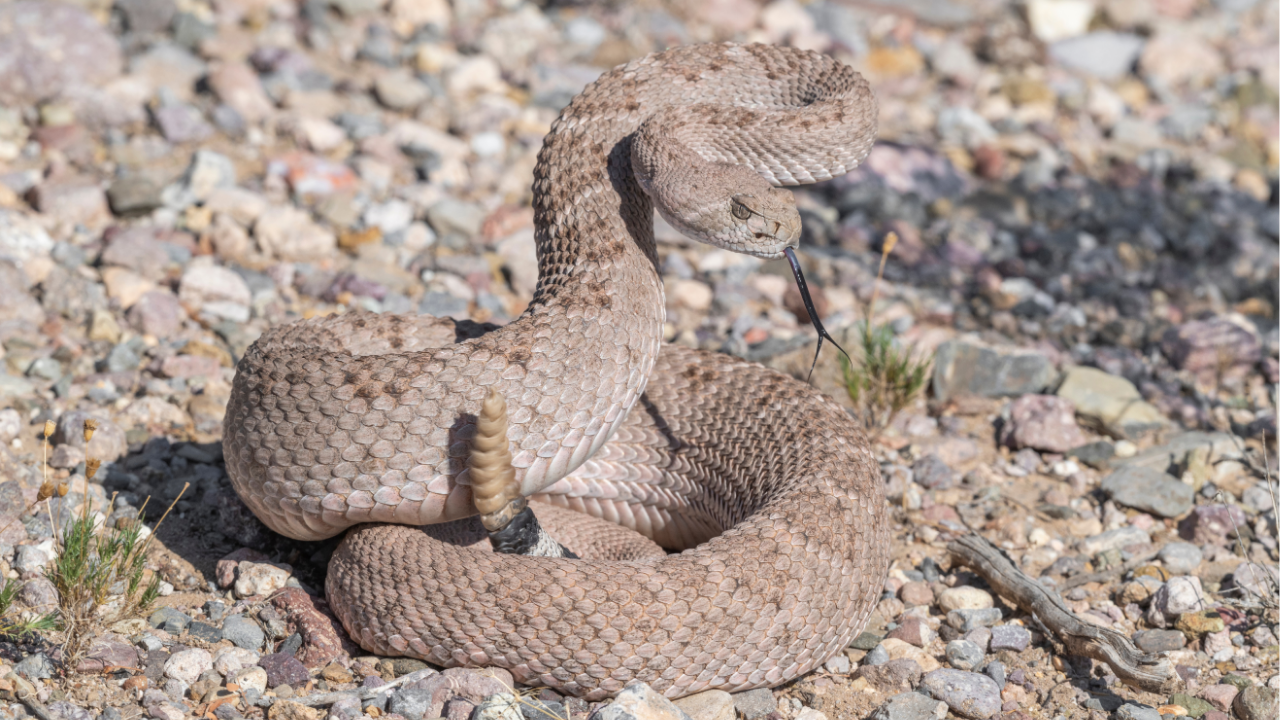
When a snake shows up on your property, it can quickly turn into a stressful situation. While some people may feel tempted to handle it themselves, snake encounters are best left to trained experts. Licensed professionals play a critical role in humane snake capture, ensuring safety for both people and wildlife.
Their work goes far beyond simply removing a snake—it involves proper identification, safe handling, and responsible decision-making that protects the ecosystem. Trusted services like Arizona Snake Removal demonstrate how professional expertise can turn a dangerous encounter into a controlled, humane outcome.
Why Professional Snake Capture Matters
Snake removal isn’t just about getting the animal off your property. It’s about doing it in a way that minimizes risk and harm.
Safety Comes First
Handling a snake without training can be dangerous, especially if the species is venomous. Licensed professionals are trained to:
Identify snake species quickly
Assess risk levels
Use proper tools and techniques
This reduces the chance of bites or injuries during the capture process. As highlighted in this detailed breakdown of why professional residential snake removal beats DIY every time, expert intervention dramatically lowers risk.
Avoiding Harm to the Snake
Improper handling can injure or kill a snake unnecessarily. Humane capture ensures the animal is treated with care while being safely removed from the situation. Ethical approaches like snake relocation services focus on preserving wildlife while resolving human conflict.
What Makes a Professional “Licensed”?
Not all snake removal services operate at the same level. Licensed professionals meet specific standards that ensure quality and accountability.
Training and Certification
Licensed experts typically undergo specialized training in:
Wildlife handling techniques
Snake behavior and identification
Safe capture and transport methods
Their expertise is often backed by years of experience, similar to insights shared in how 25 years of experience helps handle venomous snakes safely.
Compliance with Local Regulations
Wildlife laws often regulate how snakes can be handled, relocated, or released. Licensed professionals follow these rules to ensure:
Legal compliance
Environmental protection
Ethical treatment of wildlife
You can learn more about the importance of ethical practices on the About Us page of professional services.
The Process of Humane Snake Capture
Humane snake capture is a careful, step-by-step process designed to reduce stress and risk.
1. Assessment of the Situation
Professionals first evaluate:
The snake’s location
Its behavior and species
The level of risk to people or pets
This mirrors real-world scenarios described in the rattlesnake removal process: what really happens during a call.
2. Safe and Controlled Capture
Using specialized tools, professionals capture the snake without direct contact whenever possible. The focus is on:
Minimizing stress for the animal
Preventing injury
Maintaining control of the situation
3. Secure Containment
Once captured, the snake is placed in a secure container designed for safe transport.
4. Responsible Outcome
Depending on the situation, professionals may:
Relocate the snake to a suitable habitat
Monitor and release it nearby if appropriate
Provide guidance to prevent future encounters
This conservation-first mindset is reinforced in relocation not removal: why we humanely move rattlesnakes back to nature.
Why DIY Snake Removal Is Risky
Trying to handle a snake without proper training can lead to serious consequences.
Increased Risk of Bites
Even non-venomous snakes can bite when threatened. Venomous species pose a much greater danger.
Misidentification
Many people struggle to correctly identify snake species, which can lead to poor decisions and unnecessary panic.
Harm to Wildlife
Improper handling often results in injury or death for the snake, even when that wasn’t the intention.
For urgent situations, relying on emergency snake removal services ensures fast, professional response.
The Conservation Perspective
Licensed professionals don’t just remove snakes—they help protect them.
Supporting Ecosystem Balance
Snakes play a vital role in controlling pests like rodents. Humane capture allows them to continue contributing to the ecosystem. Learn more about this connection in rattlesnakes and rodents: the hidden relationship that invites danger.
Reducing Unnecessary Killing
By choosing professional removal, property owners help reduce harm to native wildlife and support conservation efforts.
Education and Prevention Guidance
Another key role of licensed professionals is educating property owners.
After a capture, they often provide advice on:
Eliminating rodent attractants
Securing entry points
Managing landscaping
Reducing hiding spots
Preventative strategies like those outlined in how to snake-proof your yard: lessons from the Arizona desert and services such as preventative snake measures can significantly reduce future encounters.
Educational outreach, including snake safety educational programs, also helps communities coexist safely with wildlife.
When to Call a Licensed Professional
It’s always best to contact an expert when:
You’re unsure of the snake species
The snake is inside a home or building
There are children or pets nearby
The snake appears aggressive or stressed
Whether it’s a home or workplace, services like residential snake removal and commercial snake removal ensure tailored solutions for every environment.
Final Thoughts
Humane snake capture is about more than removal—it’s about responsibility, safety, and respect for wildlife.
Licensed professionals bring the training, tools, and experience needed to handle snake encounters the right way. They protect people from harm while ensuring snakes are treated ethically and, when possible, given a chance to continue playing their role in the environment.
The bottom line: when it comes to snake encounters, trusting a licensed expert isn’t just the safest choice—it’s the most responsible one too.