
Relocating Rattlesnakes: How We Choose Safe Release Sites
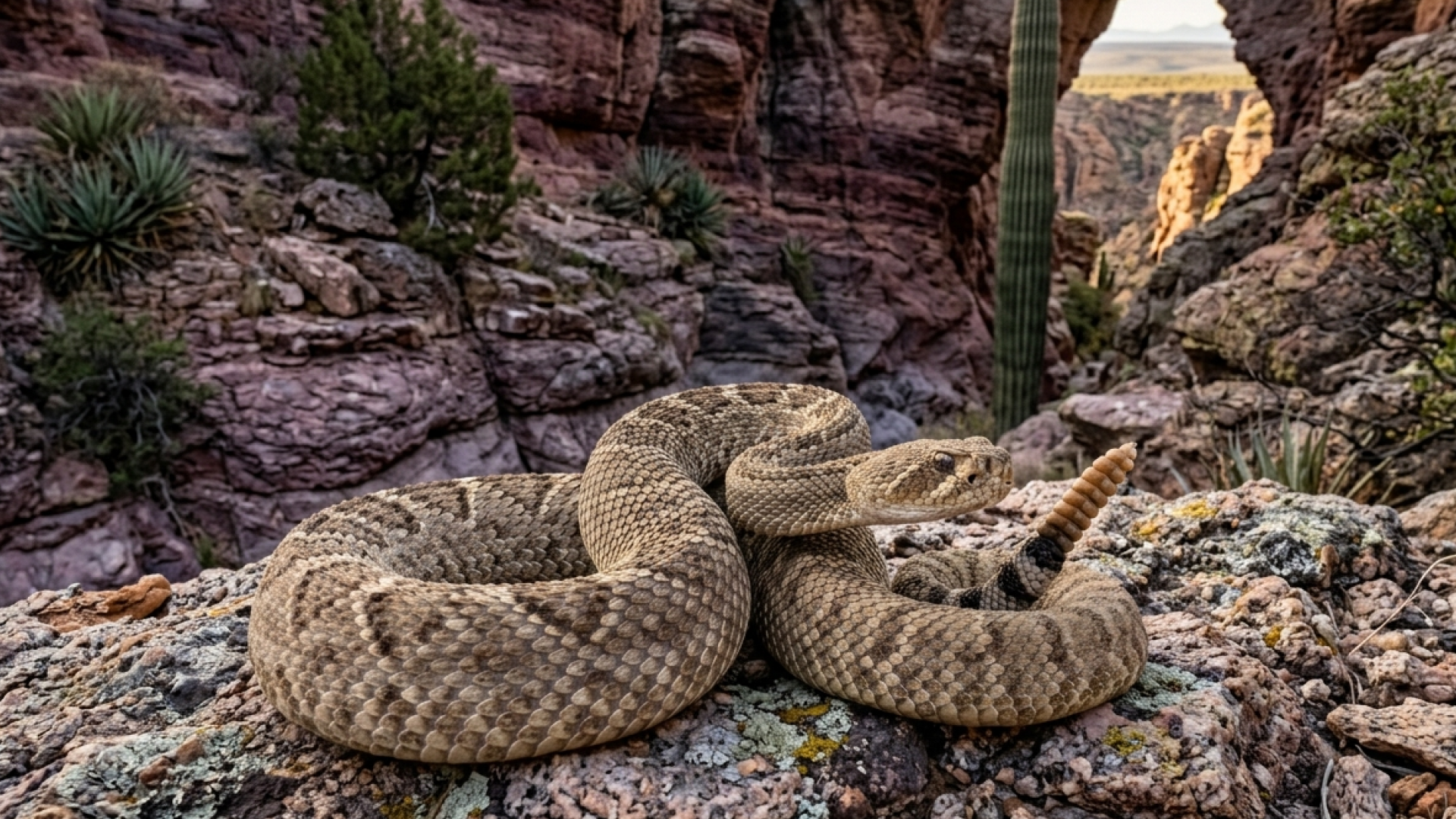
When a rattlesnake shows up on a property, safety is always the first priority. But what happens after the snake is safely captured? For responsible wildlife professionals like those at Arizona Snake Removal, the next step—choosing the right release site—is just as important as the removal itself.
Relocating rattlesnakes isn’t simply about moving them far away. It requires careful planning to protect both the snake and the surrounding environment. Done correctly, it supports safe coexistence, ethical wildlife handling, and long-term snake prevention.
For a deeper dive into the ethics behind this process, see understanding the rattlesnake relocation process.
Why Proper Relocation Matters
Relocation may seem like a simple solution, but poor relocation practices can actually do more harm than good.
Stress and Survival Challenges
Rattlesnakes are highly adapted to their home range. Moving them too far can:
Disrupt their ability to find food
Expose them to unfamiliar predators
Increase stress and reduce survival rates
This is why experienced teams offering snake relocation services focus on precision—not just distance.
Risk of Repeat Encounters
Improper release sites can lead to snakes returning to populated areas—or encountering new human activity zones—creating more problems instead of solving them.
As highlighted in relocation not removal: why we humanely move rattlesnakes back to nature, thoughtful relocation is key to preventing repeat incidents.
Key Factors in Choosing a Safe Release Site
Selecting the right release location involves multiple considerations to ensure the snake has the best chance of survival without creating new risks.
1. Suitable Natural Habitat
The release site must closely match the snake’s natural environment.
This includes:
Appropriate terrain (rocky areas, desert scrub, or grasslands)
Natural shelter like rocks, burrows, or vegetation
Availability of prey such as rodents
A familiar habitat increases the likelihood that the rattlesnake will adapt successfully.
2. Distance from Human Activity
While it may seem logical to relocate snakes far away, distance alone isn’t the goal.
Instead, professionals look for areas that are:
Away from residential neighborhoods
Not near high-traffic commercial zones
Free from frequent human disturbance
This approach is especially important in both residential snake removal and commercial snake removal, where preventing repeat encounters is critical.
3. Access to Food and Water
A release site must provide the basic resources a snake needs to survive.
Key considerations include:
Healthy rodent populations
Natural water sources or seasonal moisture
Balanced ecosystem conditions
If you’re curious how rodents influence snake activity, explore rattlesnakes and rodents: the hidden relationship that invites danger.
4. Avoiding Overcrowding
Placing multiple relocated snakes in the same area can create competition for food and shelter.
Professionals avoid:
Overloading a single release zone
Disrupting existing wildlife populations
Maintaining ecological balance is a key part of ethical relocation and long-term conservation success.
5. Legal and Environmental Guidelines
Wildlife relocation is often regulated to protect both animals and ecosystems.
Professionals follow:
Local wildlife laws and regulations
Approved relocation zones (where required)
Ethical handling standards
For more insight into compliance and professional standards, visit the about us page.
The Importance of Minimal Handling
Beyond choosing the right site, how the snake is handled during relocation also matters.
Reducing Stress During Transport
Professionals use specialized equipment and techniques to:
Safely contain the snake
Minimize handling time
Reduce stress and injury
This is especially critical during urgent situations like emergency snake removal, where speed and precision are essential.
Why Relocation Isn’t Always the First Option
It’s important to understand that not every rattlesnake encounter requires relocation.
In some cases:
The snake may simply pass through the area
The risk level may be low
Preventive steps can solve the issue
As discussed in what the pest control guys won’t tell you about rattlesnakes, unnecessary removal can sometimes create more ecological imbalance than benefit.
How Property Owners Can Help
Relocation is only part of the solution. Preventing future encounters is just as important.
Property owners can reduce snake activity by:
Controlling rodent populations
Keeping yards clean and free of debris
Sealing gaps and entry points
Maintaining landscaping
Learn practical steps in how to snake-proof your yard and explore professional preventative snake measures for long-term protection.
For community awareness, many experts also recommend educational programs that teach safe coexistence strategies.
Final Thoughts
Relocating rattlesnakes is a careful balance between human safety and wildlife conservation. Choosing the right release site isn’t just a technical step—it’s a responsibility.
When done properly, relocation:
Protects people and property
Supports the snake’s survival
Preserves the natural ecosystem
The takeaway is simple: effective snake removal doesn’t end with capture—it ends with a thoughtful, well-planned release.
By prioritizing safe relocation practices, we create better outcomes for both communities and the wildlife that share our environment.