
Rodent Control and Snake Prevention Why One Fails Without the Other
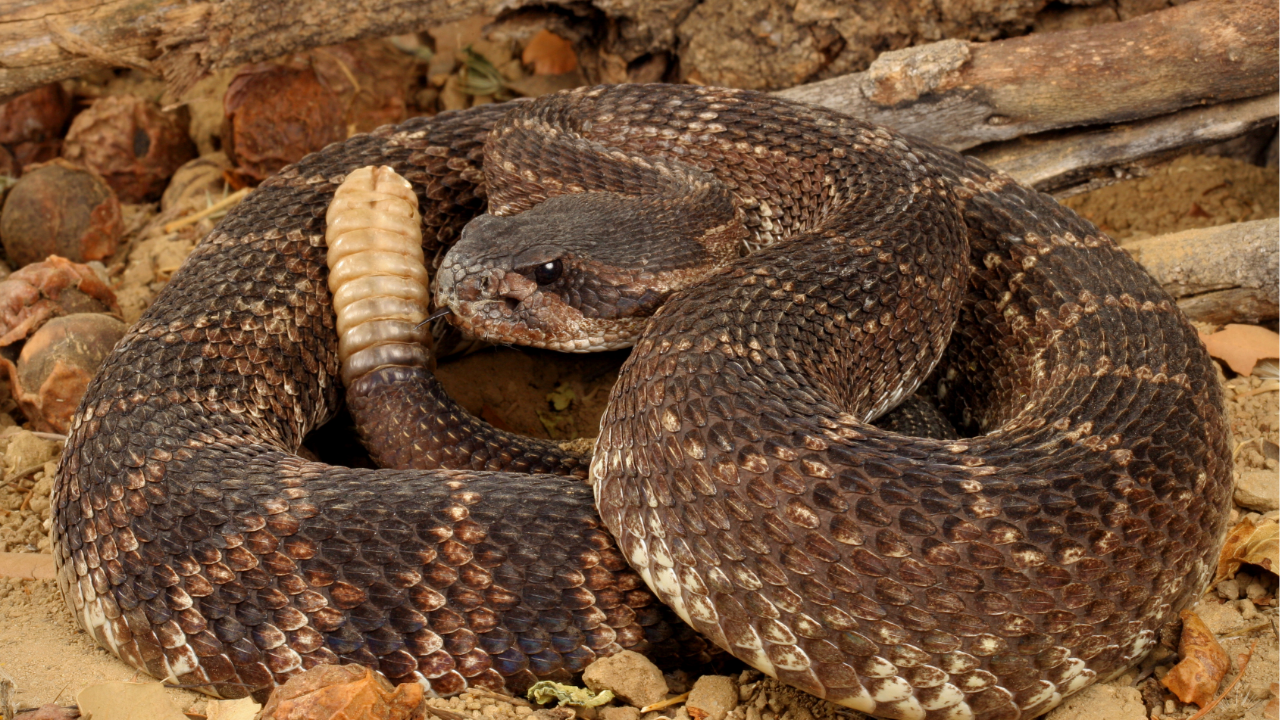
If you live in areas where snakes are common, seeing one near your home can be unsettling. Many homeowners try different ways to keep snakes away, but one major factor often gets overlooked: rodent control.
Snakes rarely appear around homes randomly. In most cases, they are there for a reason: food. When rodents thrive on your property, it becomes a natural hunting ground for snakes. That’s why successful snake prevention always includes rodent management.
Companies like Arizona Snake Removal often emphasize that understanding the relationship between prey and predators is the first step in keeping properties safer.
Let’s explore why rodent control and snake prevention must work together.
Why Rodents Attract Snakes to Your Property
Snakes play an important role in controlling rodent populations in the wild. However, that natural balance becomes a problem when rodents move close to homes.
Rodents Are a Primary Food Source
Many snake species rely heavily on mice, rats, and other small mammals. If rodents are active on your property, snakes will eventually notice.
Common rodent attractors include:
Pet food left outside
Bird seed scattered on the ground
Open trash containers
Woodpiles and debris
Unsealed garages or sheds
This predator prey relationship is explored in detail in the article rattlesnakes and rodents the hidden relationship that invites danger.
Rodent Activity Creates Ideal Hiding Spots
Rodents dig burrows and build nests under structures, rocks, and landscaping materials. These locations become excellent hiding areas for snakes.
Some common hiding spots are explained in desert shadows where do rattlesnakes hide on your property and top risk areas in homes for rattlesnakes garages crawl spaces amp hidden pockets.
Even decorative landscaping can increase risk. For example, buried in the gravel the silent risk of decorative rock landscaping explains how certain yard designs unintentionally create snake shelters.
Why Snake Prevention Alone Often Fails
Some homeowners focus only on snake deterrents like repellents or occasional removal. While these may help temporarily, they rarely solve the real problem.
Removing One Snake Does Not Remove the Attraction
If rodents remain on the property, another snake may eventually appear. Predator activity simply continues because the food source remains available.
This pattern is discussed in not just the desert why urban rattlesnake sightings are skyrocketing.
Repellents Have Limited Results
Commercial snake repellents are often marketed as quick solutions, but they rarely address the environmental conditions that attract snakes.
Some myths around snake control are addressed in top 5 rattlesnake myths that could get you bitten and the campfire myths are cute but heres the deal.
Understanding snake behavior can also help homeowners respond more effectively, as explained in the sound of survival why rattlesnakes rattle and what it means.
How Rodent Control Supports Snake Prevention
A property that is less attractive to rodents will also be less attractive to snakes.
Removing the Food Source
When rodent populations are reduced, snakes lose their main reason to visit.
The article what attracts rattlesnakes to your home and how to stop it highlights how food availability drives snake activity.
Reducing Shelter Areas
Rodent control often involves removing clutter and hiding spots such as:
Thick brush
Woodpiles
Yard debris
Unused storage areas
Property inspections can help identify these areas, similar to the process explained in how we inspect properties for potential snake hiding spots.
Practical Steps for Homeowners
Combining rodent control with smart snake prevention strategies is the most effective approach.
1. Eliminate Rodent Food Sources
Store bird seed and pet food in sealed containers and regularly clean up fallen food.
2. Secure Garbage and Compost
Use tightly sealed trash bins and avoid leaving food scraps exposed.
3. Seal Entry Points
Rodents often enter through small gaps around garages, sheds, and foundations.
Snake movement patterns and entry behavior are discussed in are rattlesnakes territorial understanding their movement patterns.
4. Maintain Your Yard
Keeping your yard tidy removes both rodent nests and snake hiding places. Landscaping improvements can significantly reduce risk, as outlined in how to snake proof your yard lessons from the arizona desert.
5. Watch for Warning Signs
Tracks, shed skins, or unusual smells can indicate snake activity. Homeowners can learn to identify these signals in rattlesnake tracks how to read the signs before you step and what does a rattlesnake smell like strange signs you might miss.
Protecting Pets and Family
Snake encounters can be especially dangerous for pets and children.
Pet owners can learn more in dogs and desert death traps the real reason pet owners need to take snake aversion seriously and rattlesnake proofing your dogs favorite places to play.
For family safety tips, the guide child safety and rattlesnakes how to make your yard family friendly provides practical advice.
When Professional Help Makes a Difference
In some cases, rodent infestations grow large enough that simple DIY solutions are not enough.
Professional wildlife specialists can identify rodent nesting areas, locate snake hiding spots, and provide removal solutions. Services such as residential snake removal and commercial snake removal help protect both homes and businesses.
Property owners can also benefit from proactive strategies like preventative snake measures.
In urgent situations, homeowners may need emergency snake removal. The process is explained in detail in what to expect during emergency snake removal.
Once captured, many professionals rely on snake relocation services rather than killing the animal, which is discussed further in relocation not removal why we humanely move rattlesnakes back to nature.
Education and Awareness Matter
Understanding snake behavior and safety practices can greatly reduce risks.
Programs like snake safety educational programs help communities learn how to coexist safely with wildlife.
These lessons are also covered in coexist safely key lessons from our snake safety educational programs and five things you learn in our workplace snake awareness training.
Homeowners interested in professional expertise can also learn about the specialists behind the work by visiting about our snake removal team.
The Bottom Line Prevention Works Best Together
The relationship between rodents and snakes is simple: where prey exists, predators follow.
Trying to keep snakes away without controlling rodents often solves only half the problem. By reducing rodent populations, removing shelter, and using professional help when necessary, homeowners can significantly reduce snake activity around their property.
For deeper insights into snake activity and removal operations, homeowners can explore articles like when the desert crawls the real story behind arizonas rattlesnake removals and the rattlesnake removal process what really happens during a call.
A combined strategy of rodent control and snake prevention creates a safer property and provides long term peace of mind for homeowners.