
Monsoon Season & Snake Risk: What Property Owners Should Know
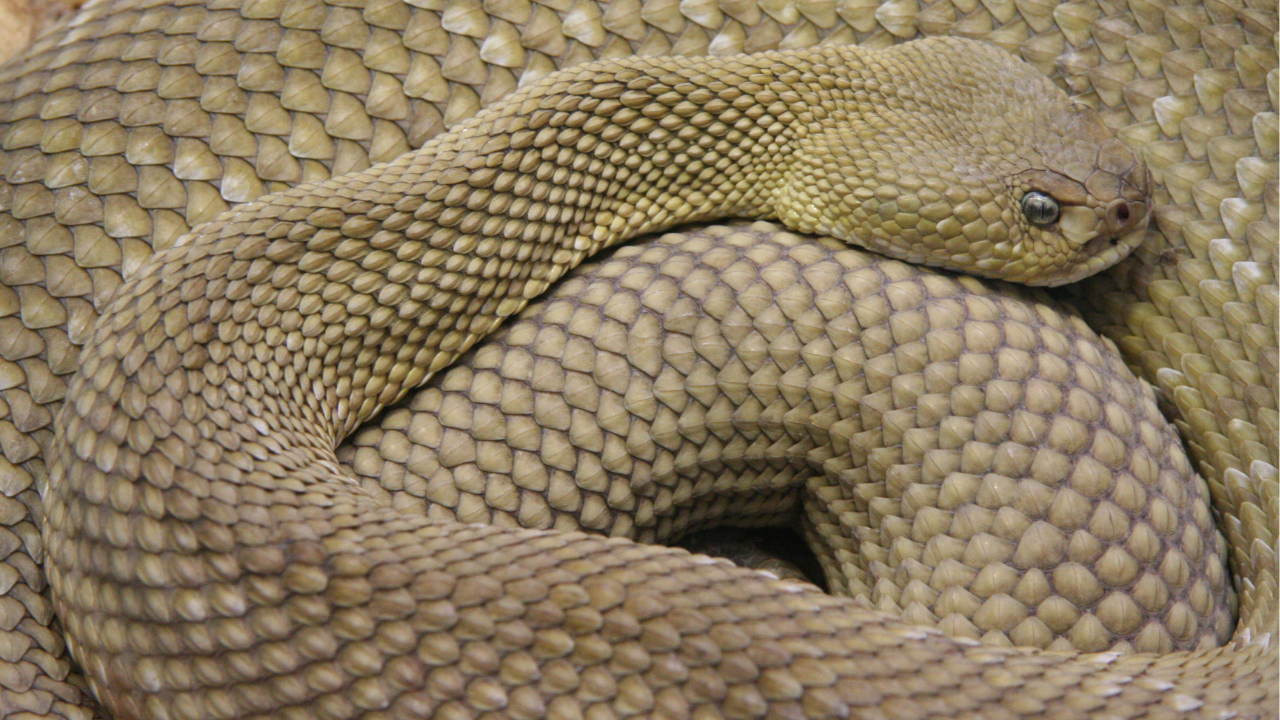
When the monsoon arrives, it brings much-needed rain and relief from the heat—but it also increases the chances of snake sightings around homes and properties. Many property owners are surprised to see snakes during this time, but there are clear reasons why snake activity rises during the rainy season.
Understanding these patterns can help you take the right steps for snake prevention during monsoon and keep your property safe. Insights from experts like Arizona Snake Removal highlight how seasonal changes directly influence snake behavior and human encounters.
Why Snake Activity Increases During Monsoon
Snakes don’t suddenly appear out of nowhere during the rainy season. The environmental changes caused by heavy rains directly affect their behavior.
Flooded Habitats Force Snakes to Relocate
During monsoon, burrows, holes, and low-lying areas often get flooded. Snakes that normally stay hidden underground are forced to move to higher, drier ground—which often includes residential areas.
This is one of the main reasons why homeowners notice more snakes near:
Gardens
Garages
Storage areas
Building foundations
As explained in this detailed guide on why rattlesnakes are more active after monsoon rains, shifting environmental conditions play a major role in increased sightings.
Increase in Rodent Activity
Monsoon season can also lead to a spike in rodent activity, as rats and mice seek shelter indoors. This creates a chain reaction:
More rodents → more food → more snakes
If your property provides shelter to rodents, it may unintentionally attract snakes as well. Learn more about this connection in rattlesnakes and rodents the hidden relationship that invites danger.
Common Risk Areas Around Your Property
Certain parts of your property are more likely to attract snakes during the rainy season. Identifying these areas early can make a big difference in snake prevention.
Overgrown Gardens and Vegetation
Tall grass, dense plants, and untrimmed hedges create ideal hiding spots for snakes. During monsoon, vegetation grows quickly, making these areas even more attractive.
Waterlogged Areas
Standing water and poor drainage can attract frogs and insects, which in turn attract snakes looking for food.
Clutter and Debris
Woodpiles, construction materials, and yard clutter provide cool, sheltered spaces where snakes can hide during the day.
Entry Points Around Structures
Gaps in walls, broken vents, and open drains can serve as easy entry points for both rodents and snakes. A deeper look at hidden danger zones is covered in top risk areas in homes for rattlesnakes garages crawl spaces and hidden pockets.
Signs You Shouldn’t Ignore
During monsoon, it’s important to stay alert to early warning signs of snake activity.
Look out for:
Shed snake skins
Slither tracks in wet soil
Increased rodent presence
Unusual pet behavior (dogs barking or sniffing specific areas repeatedly)
Understanding these early indicators can help you act quickly before a situation escalates.
Practical Snake Prevention Tips for Monsoon
A proactive approach is the best way to reduce risk. Here are some simple but effective monsoon snake safety tips:
1. Keep Your Yard Clean and Trimmed
Regularly cut grass, trim bushes, and remove excess vegetation to eliminate hiding spots. You can also follow proven strategies from how to snake proof your yard lessons from the Arizona desert.
2. Improve Drainage
Ensure rainwater flows away from your property. Fix clogged drains and avoid water accumulation.
3. Control Rodents
Since rodents attract snakes, proper rodent control during monsoon is essential. Store food securely and seal entry points.
4. Remove Clutter
Clear away woodpiles, unused items, and debris where snakes could take shelter.
5. Seal Gaps and Openings
Inspect your home for cracks, holes, and openings, especially near the ground level, and seal them properly.
For a complete approach, explore professional preventative snake measures that go beyond basic maintenance.
Safety Tips If You Encounter a Snake
Even with precautions, encounters can happen—especially during monsoon.
If you see a snake:
Stay calm and keep a safe distance
Do not try to handle or provoke it
Keep children and pets away
Contact professionals for help
In urgent situations, relying on emergency snake removal services ensures safe and proper handling.
Why a Preventive Approach Matters
Monsoon season creates the perfect conditions for increased snake movement—but most encounters happen because properties unknowingly provide food, water, and shelter.
By focusing on:
Clean surroundings
Proper drainage
Strong rodent control
…you can significantly reduce the chances of snakes appearing on your property.
For homeowners, professional solutions like residential snake removal can offer added protection, while businesses can benefit from specialized commercial snake removal services to maintain safety standards.
Final Thoughts
Snake activity during monsoon is natural, but it doesn’t have to become a problem for your home. With a little awareness and regular maintenance, you can make your property far less attractive to snakes.
The key is simple: remove what attracts them, and you reduce the risk.
Staying proactive during the rainy season not only protects your property—it also gives you peace of mind knowing you’re prepared for whatever the monsoon brings.