
Common Mistakes Arizona Homeowners Make After Seeing a Rattlesnake
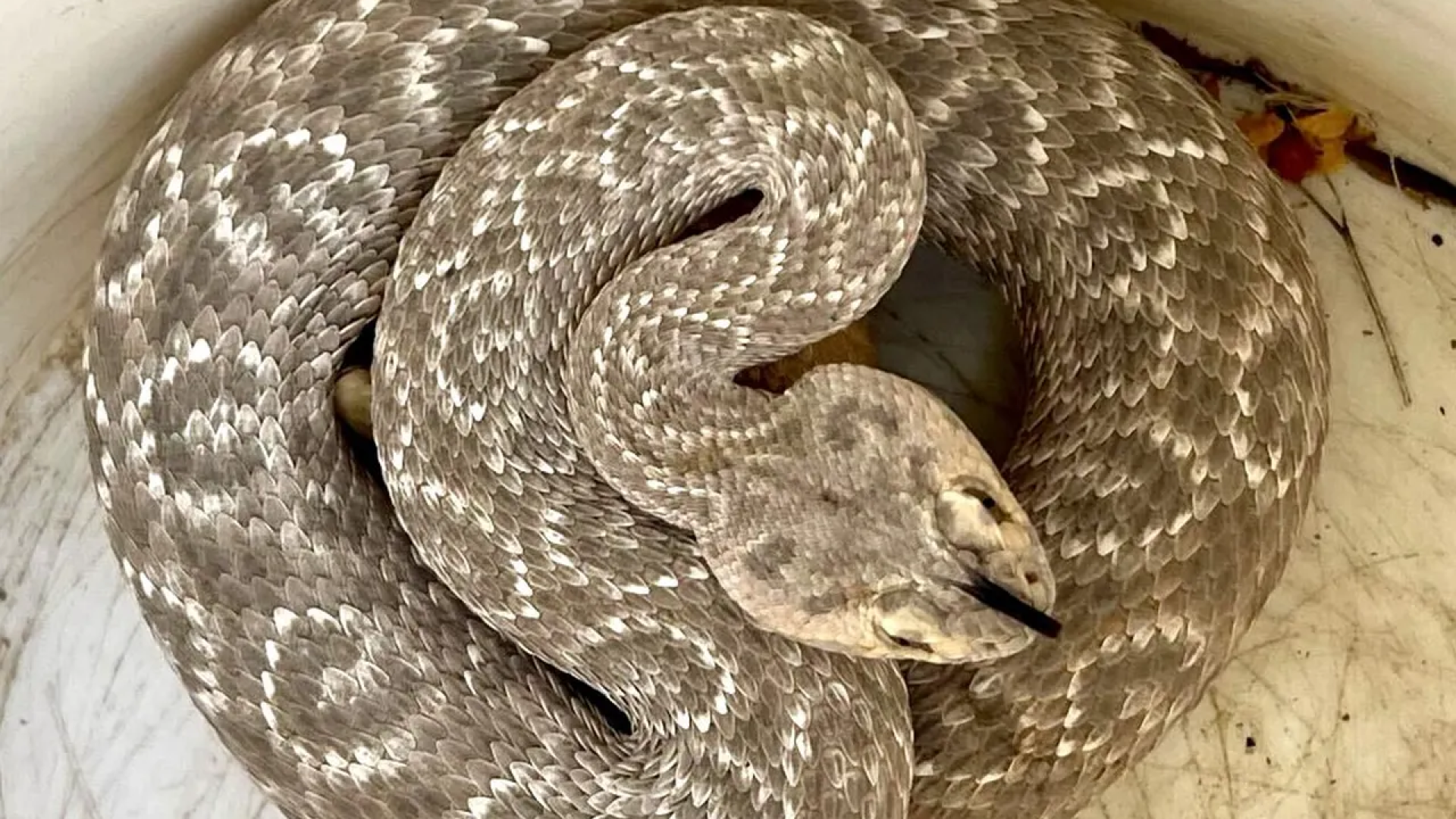
Spotting a rattlesnake on your property can be alarming. In Arizona, where rattlesnake encounters are relatively common, it's natural for homeowners to feel anxious when one appears in the yard, garage, or near the home. However, what you do after seeing a rattlesnake is often more important than the sighting itself.
Unfortunately, many people react in ways that increase the risk of injury, make the situation worse, or fail to address the underlying reasons the snake was there in the first place. Understanding these common mistakes can help keep your family, pets, and property safer.
Panicking Instead of Staying Calm
One of the most common mistakes is reacting out of fear.
Why Panic Creates Problems
When people panic, they often make sudden movements, rush toward the snake, or attempt to scare it away. These actions can cause the snake to become defensive. It is vital to understand the sound of survival why rattlesnakes rattle and what it means so you do not misinterpret their behavior as an active attack. Most rattlesnakes prefer to avoid confrontation and will often remain still or attempt to retreat if given space.
What to Do Instead
Stay calm
Keep a safe distance
Monitor the snake from afar
Prevent others from approaching the area
A calm response helps reduce risk and allows professionals to handle the situation safely if needed.
Trying to Capture or Kill the Snake Yourself
Many rattlesnake bites occur when people attempt to handle, relocate, or kill a snake.
Why DIY Removal Is Dangerous
Even experienced individuals can misjudge a snake's reach, speed, or behavior. A rattlesnake can strike quickly when it feels threatened. Attempting a DIY capture is a massive risk, and why professional residential snake-removal beats diy every time comes down to specialized equipment and training.
Furthermore, many people do not realize that trying to eliminate the animal yourself carries legal consequences; you should learn why killing rattlesnakes might be illegal in arizona before taking matters into your own hands. Remember, even injured snakes can still bite and inject venom.
A Safer Alternative
If the snake is in a location that poses a safety concern, contact Arizona Snake Removal rather than attempting to deal with it yourself.
Getting Too Close for a Better Look
Curiosity often leads homeowners to approach a rattlesnake for identification or photographs.
The Risk
Many people underestimate how quickly a rattlesnake can strike. Getting too close for a photo or a closer inspection increases the chance of an accident. There are countless top 5 rattlesnake myths that could get you bitten, such as the false belief that snakes can jump or strike from several yards away—but they are lightning-fast within their actual strike range.
Best Practice
Use your phone's zoom feature if you need a photo from a safe distance and avoid approaching the snake under any circumstances.
Letting Pets Roam Freely After a Sighting
Another common mistake is assuming the snake has left the area immediately after it disappears from view.
Why This Can Be Dangerous
A rattlesnake may simply move out of sight into:
Shrubs and dense ground cover
Rock landscaping features
Woodpiles and storage areas
Under patios or foundation gaps
If pets are allowed to roam unsupervised, they may unknowingly step right on the animal. For desert pet owners, ignoring this danger can lead to dogs and desert death traps the real reason pet owners need to take snake aversion seriously.
What Homeowners Should Do
Keep pets indoors or closely supervised until the area has been thoroughly inspected and the immediate risk has been addressed.
Assuming There Was Only One Snake
Homeowners often believe that seeing a single rattlesnake means the problem is over once it leaves.
The Reality
The sighting may indicate that your property offers resources that attract snakes, including abundant rodents, shelter, and water. While snakes are generally solitary, they do aggregate under certain conditions. For instance, during the spring, you might be dealing with the chaos of spring blood and fangs inside the chaos of rattlesnake breeding season. Later in the year, they might seek out communal brumation spots, making it necessary to identify rattlesnake den sites how to identify and remove them safely.
Ignoring the Root Cause
Removing a snake without addressing why it was there is one of the biggest long-term mistakes you can make.
Common Attractants Include
Rodent infestations
Bird seed falling on the ground and attracting mice
Yard clutter and unsealed structures
Overgrown vegetation and pools of standing water
To break the cycle, you need to understand what attracts rattlesnakes to your home and how to stop it. Without correcting these fundamental environmental factors, future snake encounters become inevitable.
Failing to Inspect the Property
After a rattlesnake sighting, many homeowners focus only on the exact location where the snake was seen.
Why a Full Inspection Matters
The snake may have been using nearby hidden zones for shelter long before you spotted it. To find out where they hide, you should learn how we inspect properties for potential snake hiding spots.
Rattlesnakes regularly squeeze into spots like top risk areas in homes for rattlesnakes garages crawl spaces amp hidden pockets. Inspecting the entire property can reveal the exact structural gaps that encourage snake activity.
Believing Snake Repellents Alone Will Solve the Problem
Many commercial products claim to keep snakes away with chemical odors, but relying solely on these repellents creates a false sense of security. This is exactly what the pest control guys wont tell you about rattlesnakes—store-bought chemical repellents simply do not work.
What Actually Works
Effective rattlesnake prevention typically involves a multi-tiered strategy:
Rodent Control: Eliminating the primary food source via rodent control and snake prevention why one fails without the other.
Habitat Modification: Clearing out brush and altering features like gravel landscaping.
Exclusion Measures: Installing physical barriers, such as learning what to expect so youre thinking about a rattlesnake fence.
Professional Guidance: Implementing custom mitigation plans tailored to your specific lot layout.
Waiting Too Long to Seek Help
Some homeowners ignore repeated sightings, assuming the snake will eventually move on permanently.
Why Delays Can Be Risky
Repeated encounters usually indicate that a snake has found a highly reliable source of food or shelter on your land. Over time, you might start noticing subtle warnings, like signs a rattlesnake has been living around your property for weeks. Waiting too long increases the chances of a surprise encounter in the dark or an accidental step near a doorway.
How to Respond the Right Way
If you see a rattlesnake on your property, implement these protective steps immediately:
Stay calm and maintain a minimum safe distance of 15 feet.
Keep children and pets completely away from the area.
Do not attempt to handle, trap, poke, or kill the snake.
Observe its location from a safe distance so you can point it out to a professional.
Contact an expert for emergency snake removal to safely resolve the issue.
Final Thoughts
Seeing a rattlesnake can be unsettling, but the actions you take afterward play a major role in keeping everyone safe. Many homeowners unintentionally increase their risk by panicking, approaching the snake, or focusing only on temporary removal instead of long-term property prevention.
To learn more about who we are and our background in wildlife safety, visit our about us page. The bottom line is simple: the biggest mistake isn't seeing a rattlesnake—it's failing to learn why it was there and how to prevent the next encounter.