
How Desert Landscaping Choices Affect Snake Activity Around Your Property
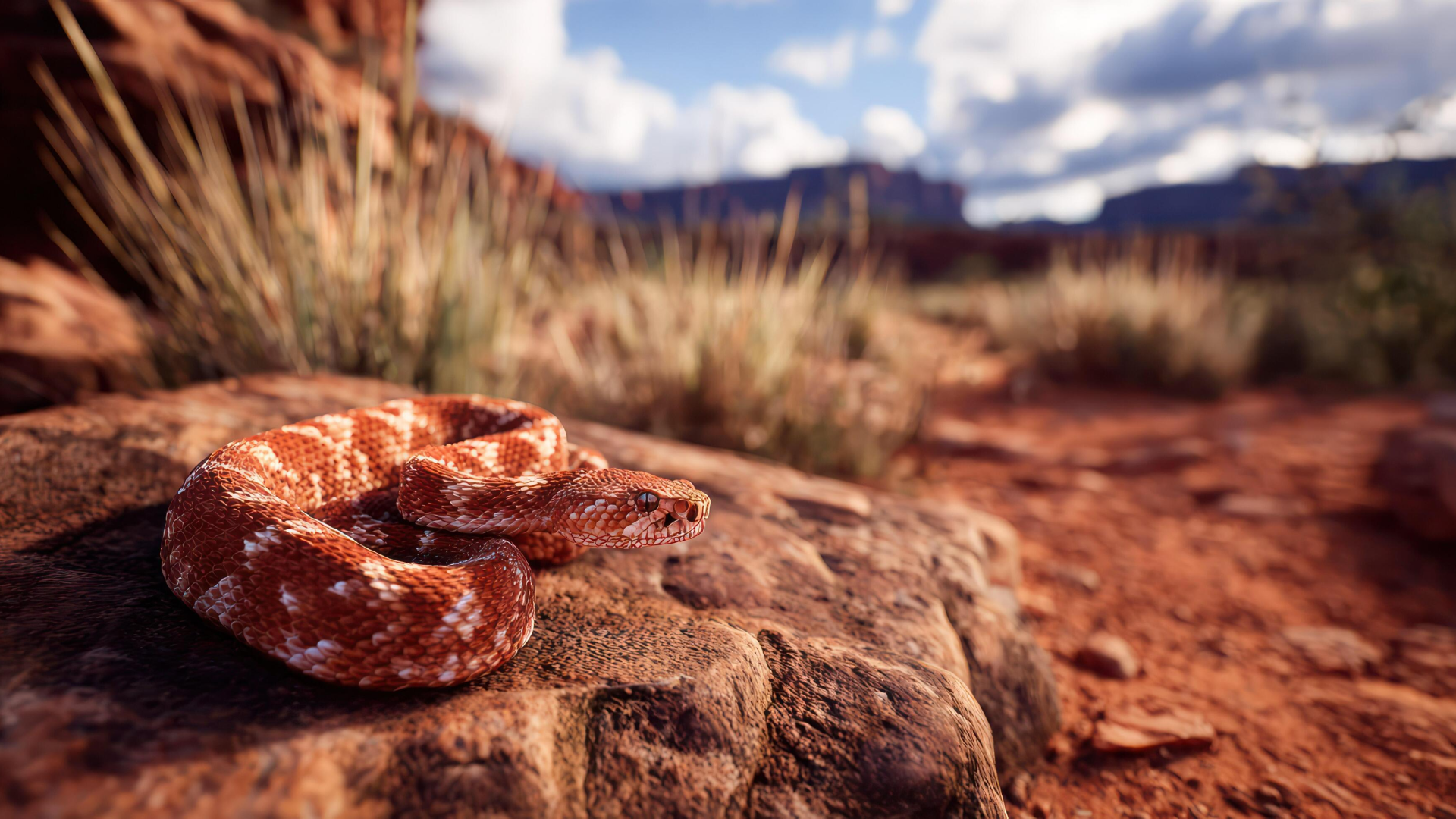
Desert landscaping is a popular choice for Arizona homeowners because it conserves water, requires less maintenance, and complements the natural beauty of the Southwest. However, the way a property is landscaped can also influence local wildlife activity—including the likelihood of encountering snakes.
While landscaping alone doesn't attract snakes, certain design features can provide the shelter, shade, and food sources they need to thrive. Understanding what attracts rattlesnakes to your home and how to stop it can help homeowners make informed choices that support both property aesthetics and safety.
Why Snakes Are Drawn to Certain Landscapes
Like all wildlife, snakes are looking for basic survival needs:
Shelter from extreme temperatures
Access to food
Protection from predators
Safe places to rest
Arizona's desert climate can be harsh, especially during the hottest months of the year. Landscaped yards often provide cooler, more comfortable environments than the surrounding terrain, making them attractive to both snakes and their prey. Homeowners should understand how to make your yard less attractive to rattlesnakes, pest shelter, & access tips to minimize these welcoming environments.
Rock Landscaping Can Create Ideal Hiding Spots
Rock features are a staple of many desert landscapes, but they can unintentionally provide shelter for snakes.
Decorative Rock Beds
Large expanses of decorative gravel or rock mulch generally pose minimal risk on their own. However, deeper rock areas can create cooler spaces beneath the surface where snakes may seek relief from the heat. To learn more about this hidden vulnerability, read about buried in the gravel: the silent risk of decorative rock landscaping.
Boulder Arrangements and Rock Piles
Stacked rocks and decorative boulder groupings often contain small crevices, shaded gaps, and protected hiding places. These features can become temporary resting areas for snakes, especially during warm weather. In fact, many homeowners unknowingly cultivate prime habitats, making it crucial to know how to spot rattlesnake den sites: how to identify and remove them safely.
How to Reduce Risk
Avoid creating unnecessary rock piles.
Minimize deep gaps between large boulders.
Regularly inspect decorative stone features.
Dense Vegetation Provides Cover
Although desert landscaping typically uses fewer plants than traditional lawns, plant placement still matters.
Thick Shrubs and Ground Cover
Dense vegetation offers shade, moisture retention, and protection from predators. These conditions can attract rodents and other small animals, which may then attract snakes. This is especially true for rattlesnakes in raised gardens and planters, where dense foliage provides perfect cover.
Smart Landscaping Practices
Choose plant layouts that allow visibility beneath shrubs, avoid excessive clustering, and maintain open sight lines throughout the yard. Regular pruning also reduces potential hiding areas, ensuring you don't accidentally leave open invitations in desert shadows: where do rattlesnakes hide on your property?
Overgrown Areas Increase Snake Risk
Even drought-tolerant landscapes require maintenance. When plants become overgrown, they create dark hiding spaces, cooler microclimates, and protected travel routes for wildlife.
Keeping desert plants trimmed and well-maintained makes the property less appealing to snakes and easier to inspect. Neglecting these areas often results in finding unexpected signs a rattlesnake has been living around your property for weeks.
Water Features Can Attract Wildlife
In an arid environment, water is a valuable resource. Bird baths, ponds, and decorative water features may attract birds, rodents, frogs, and lizards—many of which serve as prey for snakes.
Furthermore, larger water features pose unique hazards; homeowners should be cautious of rattlesnakes in pools: why your backyard oasis is a desert trap. While water features can be enjoyed safely, they should be maintained carefully and monitored for increased wildlife activity.
Desert Landscaping and Rodent Populations
One of the strongest connections between landscaping and snake activity is rodents.
Why Rodents Matter
Rodents are among the primary food sources for many snake species, including rattlesnakes. Landscaping features that encourage rodents include dense vegetation, unmanaged bird-feeding areas, cluttered storage spaces, and debris accumulation.
For instance, many homeowners don't realize why backyard bird feeders can increase snake activity around your home by creating a steady food supply for mice and rats. If rodents become established around a property, snakes will inevitably follow. Addressing this issue requires a combined approach, which is why rodent control and snake prevention: why one fails without the other is a core tenant of property safety.
Artificial Shelter Areas Homeowners Overlook
Some of the most attractive snake habitats aren't natural at all. When combined with landscaping features, these common items can provide ideal shelter for wildlife:
Firewood stacks and landscape timbers
Stored construction materials
Unused pots and containers
Yard equipment storage
These items often form ideal microclimates right alongside your home. Discovering these vulnerabilities is a key part of learning how to snake-proof your yard: lessons from the Arizona desert.
Gravel vs. Grass: Does It Make a Difference?
Many Arizona homeowners replace grass with gravel or decomposed granite.
Benefits of Desert Ground Cover
Compared to dense turf grass, desert ground cover often reduces moisture retention, limits hiding opportunities, and improves visibility. This can make it easier to spot wildlife activity and reduce attractive shelter areas.
However, ground cover alone is not enough if other attractants remain present. In fact, improper design can backfire entirely; learn why gravel landscaping is a snake magnet—and what to do about it to avoid common installation pitfalls.
Creating a Snake-Conscious Landscape Design
A well-designed desert landscape can be both beautiful and less attractive to snakes.
Consider These Strategies
Maintain clear visibility around structures.
Trim shrubs regularly and remove unnecessary clutter.
Control rodent populations.
Keep decorative rock features organized.
Seal gaps around buildings and foundations.
The goal is not to eliminate wildlife completely but to reduce opportunities for snakes to settle near the home. For seasonal residents, taking these steps early is crucial. Reviewing a guide on preventative measures: how to snake-proof your seasonal home before you return can protect your property while you are away. Additionally, establishing structural barriers like an absolute perimeter defense can be achieved by considering options like a rattlesnake fence.
The Importance of Regular Property Inspections
Even the best landscape design requires ongoing attention. Homeowners should periodically inspect rock features, storage areas, foundation edges, outdoor utility zones, and areas with dense vegetation.
Learning how we inspect properties for potential snake hiding spots can give you a professional framework for your own walkthroughs. Routine inspections help identify potential snake habitats before they become long-term problems.
If you ever encounter an immediate threat during an inspection, it is vital to know who to call. Utilizing a professional emergency snake removal service ensures the animal is handled safely without risking a dangerous encounter.
Final Thoughts
Desert landscaping can have a significant impact on snake activity around your property, but not necessarily in the way many people assume. Snakes are rarely attracted by plants or rocks alone. Instead, they are drawn to the shelter, shade, and food sources that certain landscaping choices can create.
By designing and maintaining your yard with wildlife awareness in mind, you can enjoy the benefits of a beautiful desert landscape while reducing the likelihood of unwanted snake encounters. The key takeaway is simple: smart landscaping doesn't just improve curb appeal—it can also play a major role in long-term snake prevention.
If you need professional assistance optimizing your property or require expert intervention, contact Arizona Snake Removal to protect your home and yard today. Learn more about us and explore our comprehensive preventative snake measures to secure your peace of mind.