
Why Gravel Landscaping Is a Snake Magnet—and What to Do About It
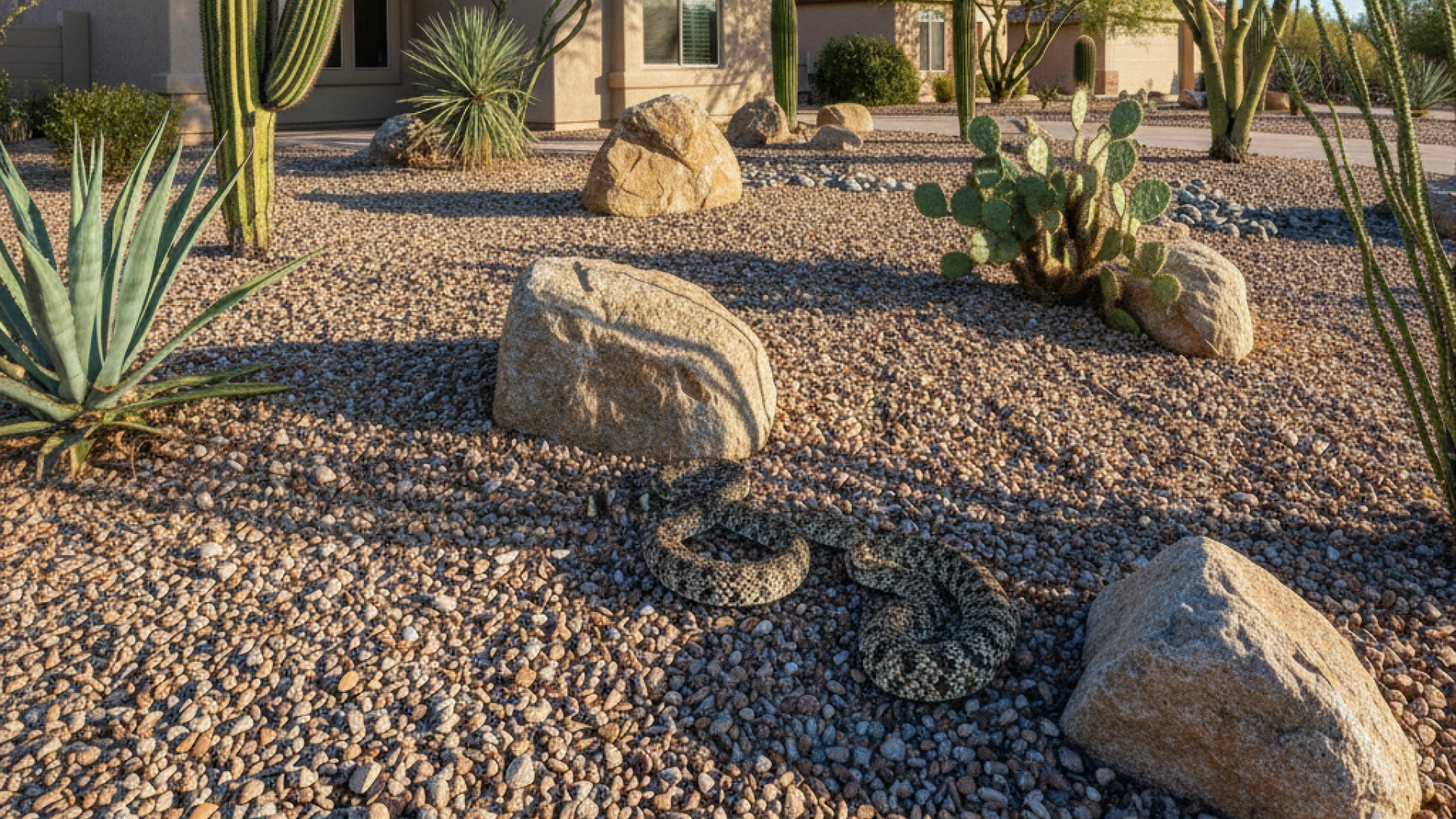
Gravel landscaping is everywhere in Arizona—and for good reason. It’s low maintenance, water-efficient, and fits the desert aesthetic perfectly. But as many homeowners eventually discover, decorative rock can unintentionally increase rattlesnake activity around the home.
In fact, Arizona Snake Removal recently covered this exact issue in their blog, Buried in the Gravel: The Silent Risk of Decorative Rock Landscaping, highlighting how common yard designs can create ideal snake conditions.
The good news? You don’t need to rip out your landscaping. You just need to understand why gravel works so well for snakes—and how to adjust your yard for smarter rattlesnake prevention.
Why Rattlesnakes Are Attracted to Gravel Landscaping
Gravel doesn’t “invite” snakes on its own. It simply creates the perfect environment for them to thrive.
Heat Retention and Temperature Control
Gravel absorbs heat during the day and releases it slowly at night. For rattlesnakes, this is ideal. Warm ground paired with nearby shade creates the perfect resting and hunting zone.
If you’ve ever wondered what snakes are doing while your family sleeps, their article Nocturnal Predators and the Midnight Crawl explains how gravel retains warmth long after sunset, making it a comfortable nighttime habitat.
Easy Camouflage
The color and texture of decorative rock allow rattlesnakes to blend in almost perfectly. That camouflage makes them harder to detect—especially for children and pets.
Learning to recognize subtle movement or markings can make a difference. Their guide on Rattlesnake Tracks: How to Read the Signs Before You Step explains what to look for before walking through gravel areas.
Low-Disturbance Zones
Wide gravel areas with minimal foot traffic become quiet resting spots. Snakes prefer calm spaces where they won’t be disturbed.
The Real Reason Snakes Stay: Food and Shelter
Gravel itself isn’t the primary attraction. Food and shelter are.
Rodents Thrive in Gravel
Gravel beds around irrigation lines, walls, and plant bases create perfect hiding spots for rodents—and where rodents go, snakes follow.
The relationship is explained further in Rattlesnakes and Rodents: The Hidden Relationship That Invites Danger, which highlights why pest activity is one of the biggest drivers of residential snake encounters.
Hidden Shelter Under Features
Decorative boulders, dense shrubs, raised planters, and outdoor equipment often create shaded cavities underneath. These become prime hiding areas during hot weather.
Their article Top Risk Areas in Homes for Rattlesnakes outlines how overlooked spaces increase risk around residential properties.
Common Gravel Landscaping Mistakes That Increase Snake Risk
Overcrowded Planting
Dense desert plants placed tightly together create cool tunnels snakes can move through unseen.
Gravel Against Foundations
When gravel runs directly up to your foundation, snakes can travel along walls toward garages or entry gaps. Property inspection insights in How We Inspect Properties for Potential Snake Hiding Spots explain how these pathways develop.
Ignoring Preventative Measures
Waiting until you see a snake often means the environment has already become attractive. Their guide How to Make Your Yard Less Attractive to Rattlesnakes breaks down shelter reduction, pest control, and access prevention strategies.
How to Make Gravel Landscaping Less Attractive to Snakes
The goal isn’t removing gravel—it’s reducing what makes it appealing.
Maintain open visibility zones around structures
Reduce rodent populations and eliminate food sources
Space plants strategically to reduce shade pockets
Avoid creating hidden cavities under rocks or décor
Seal entry points around garages and crawl spaces
For long-term protection, homeowners can also explore professional preventative snake measures designed specifically for desert environments.
When Professional Snake Removal Is the Smart Move
If your home borders open desert or you’re experiencing repeat sightings, professional help may be necessary.
Residential snake removal ensures safe, humane handling when a rattlesnake is already present. In urgent situations, emergency snake removal provides rapid response when immediate safety is a concern.
Homeowners curious about what happens during a service call can learn more in The Rattlesnake Removal Process: What Really Happens During a Call.
For businesses and property managers, commercial snake removal and inspections help reduce liability and maintain safer environments.
You can also learn more about the company’s experience and mission on their About Us page or explore additional safety resources directly through Arizona Snake Removal.
Final Thoughts: Smart Landscaping Makes the Difference
Gravel landscaping isn’t the enemy—but without proper design and maintenance, it can unintentionally create ideal rattlesnake habitat.
By reducing food sources, eliminating hidden shelter, and improving visibility, homeowners can keep the clean desert look they love while significantly lowering snake risk.
In snake country, prevention isn’t about fear—it’s about awareness, thoughtful landscaping choices, and understanding how wildlife interacts with residential spaces.