
What to Expect During a Professional Snake Fence Inspection
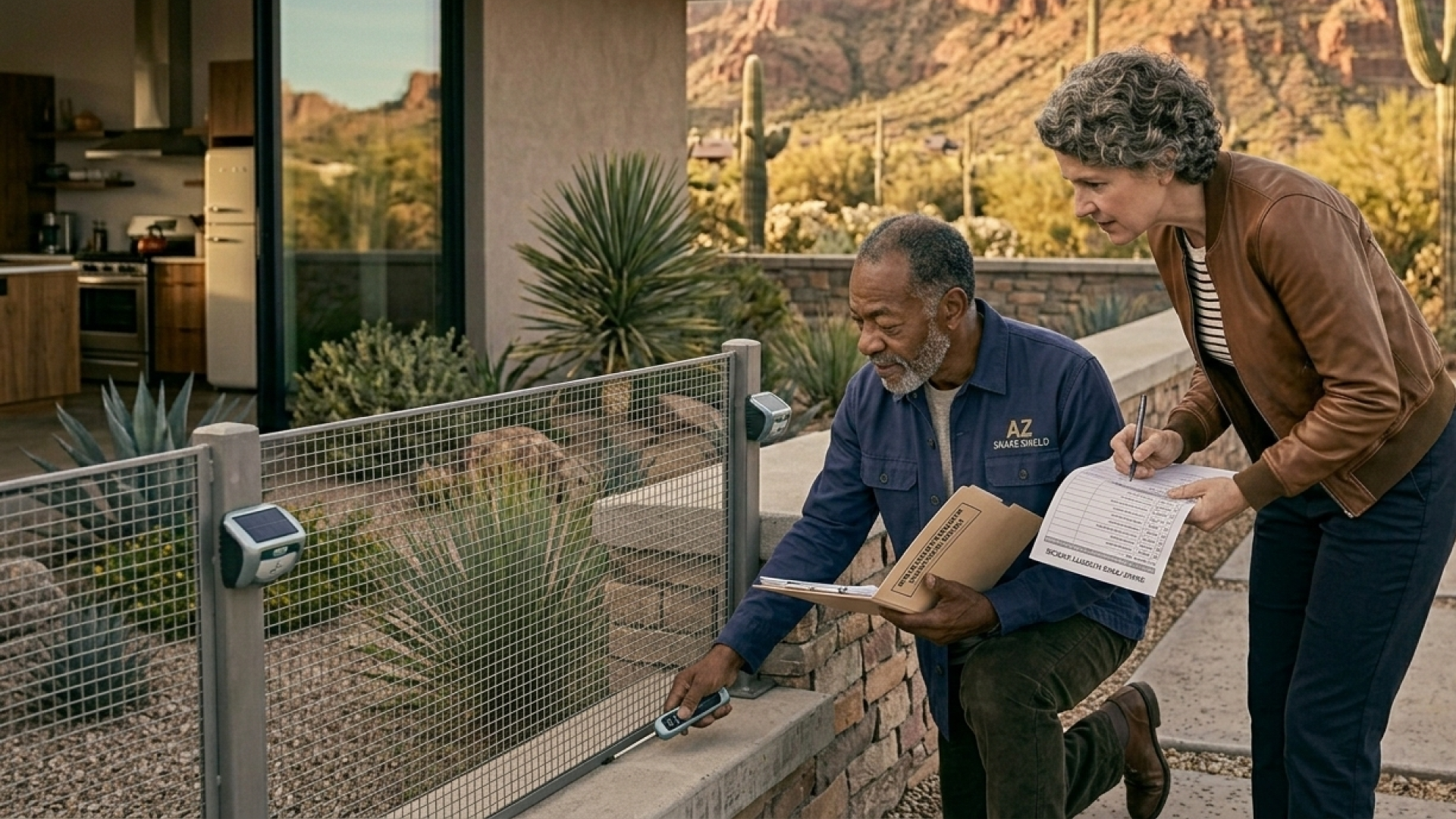
If you’ve invested in snake fencing around your home or commercial property, you’ve already taken a smart step toward rattlesnake prevention. But even the best fence can fail over time.
Weather shifts. Soil settles. Landscaping changes. Gates loosen. And snakes only need the smallest opening.
That’s where a professional snake fence inspection becomes essential. Companies like Arizona Snake Removal specialize in identifying the subtle vulnerabilities most property owners miss.
Let’s walk through what actually happens during an inspection, why it matters, and how it protects your property long term.
Why Snake Fence Inspections Matter
Snake fencing is designed as a physical barrier. But it only works when it remains fully intact from top to bottom.
Common failure points include:
Gaps forming at the bottom of the fence
Mesh pulling loose from posts
Soil erosion creating entry points
Gates misaligning over time
Landscaping shifting the barrier
As highlighted in their guide on how to inspect properties for potential snake hiding spots, professional inspections go far beyond a visual scan.
Routine snake fence inspections are especially important before peak snake season and after monsoon storms.
Step 1: Perimeter Walk Through
Full Property Assessment
The inspection begins with a detailed evaluation of every linear foot of fencing.
Technicians check for:
Visible damage to mesh or panels
Loose fasteners or brackets
Separation between fencing and ground
Areas impacted by construction or landscaping
If your fence was inspired by guidance like So You’re Thinking About a Rattlesnake Fence, inspections ensure it continues performing the way it was designed.
Attention to detail is critical. Snakes can compress their bodies and exploit surprisingly small openings.
Step 2: Ground Level Gap Inspection
The Most Common Failure Point
The bottom of the fence is the most important area.
Soil erosion, rodent tunneling, and settling can create invisible entry points. As discussed in Rattlesnakes and Rodents: The Hidden Relationship That Invites Danger, burrowing animals often compromise fence lines without homeowners realizing it.
Inspectors evaluate:
Ground contact along the entire perimeter
Signs of digging beneath fencing
Washout areas after heavy rain
Lifted sections caused by uneven terrain
Even a half inch of clearance can defeat a snake barrier system.
Step 3: Gate and Entry Point Evaluation
Where Fences Are Most Vulnerable
Gates are the most common weak spot in snake exclusion fencing.
Because they open and close regularly, small gaps often form along the sides or bottom.
Professionals examine:
Gate alignment
Threshold sealing
Side gaps between frame and post
Hardware stability
Properties with high foot traffic or service access points benefit especially from routine inspections.
Step 4: Landscaping and Environmental Review
External Factors That Affect Fencing
Snake fence inspections are not just about metal mesh. They also evaluate the surrounding environment.
Decorative gravel, irrigation systems, and overgrown plants can all undermine fencing performance. In fact, landscaping choices like gravel are addressed in detail in Why Gravel Landscaping Is a Snake Magnet and What to Do About It.
Inspectors assess:
Rock placement along fence lines
Vegetation pressing against mesh
Drainage issues
Fresh dirt from construction or yard work
Environmental review ensures the fence works together with the property instead of fighting against it.
Step 5: Structural Integrity Check
Long Term Durability
Arizona heat, sun exposure, and moisture can weaken fencing materials over time.
Technicians look for:
Rust or corrosion
Warped or bent sections
Failing attachment points
UV degradation
Maintaining structural strength is a critical part of preventative snake measures, similar to the proactive strategies outlined in Preventative Snake Measures.
Step 6: Recommendations and Preventative Solutions
After inspection, you receive clear, practical recommendations.
These may include:
Reseating mesh to restore ground contact
Reinforcing vulnerable gate areas
Adjusting soil levels
Removing environmental attractants
If a snake has already breached the property, emergency support such as emergency snake removal may be necessary.
For homeowners, combining fence maintenance with professional residential snake removal services offers the strongest protection.
For commercial properties, inspections are even more critical to reduce liability, as discussed in Commercial Property Snake Inspections: Preventing Liability and Business Disruptions.
When Should You Schedule an Inspection
Ideally, schedule a professional snake fence inspection:
Before spring and early summer activity increases
After monsoon rains
After landscaping or construction projects
If neighbors report increased snake sightings
If you notice rodent activity near fence lines
Snake behavior changes seasonally, especially during breeding cycles described in Spring Blood and Fangs: Inside the Chaos of Rattlesnake Breeding Season. That makes proactive inspections even more important.
Why Professional Inspections Beat DIY Checks
Homeowners can visually scan fencing. But professionals understand:
Snake movement patterns
Common breach points
Environmental attractants
Species behavior differences
They apply the same expertise used during the rattlesnake removal process to prevent problems before they begin.
Prevention is always safer and more affordable than emergency response.
Final Thoughts
Installing a snake fence is a powerful first step. Maintaining it is what keeps it effective.
A professional snake fence inspection ensures your barrier remains secure, sealed, and structurally sound year after year.
In rattlesnake country, prevention is not a one time decision. It is an ongoing commitment to safety, awareness, and proactive maintenance.
When your fence is solid, your peace of mind is too.