
Signs a Rattlesnake Has Been Living Around Your Property for Weeks
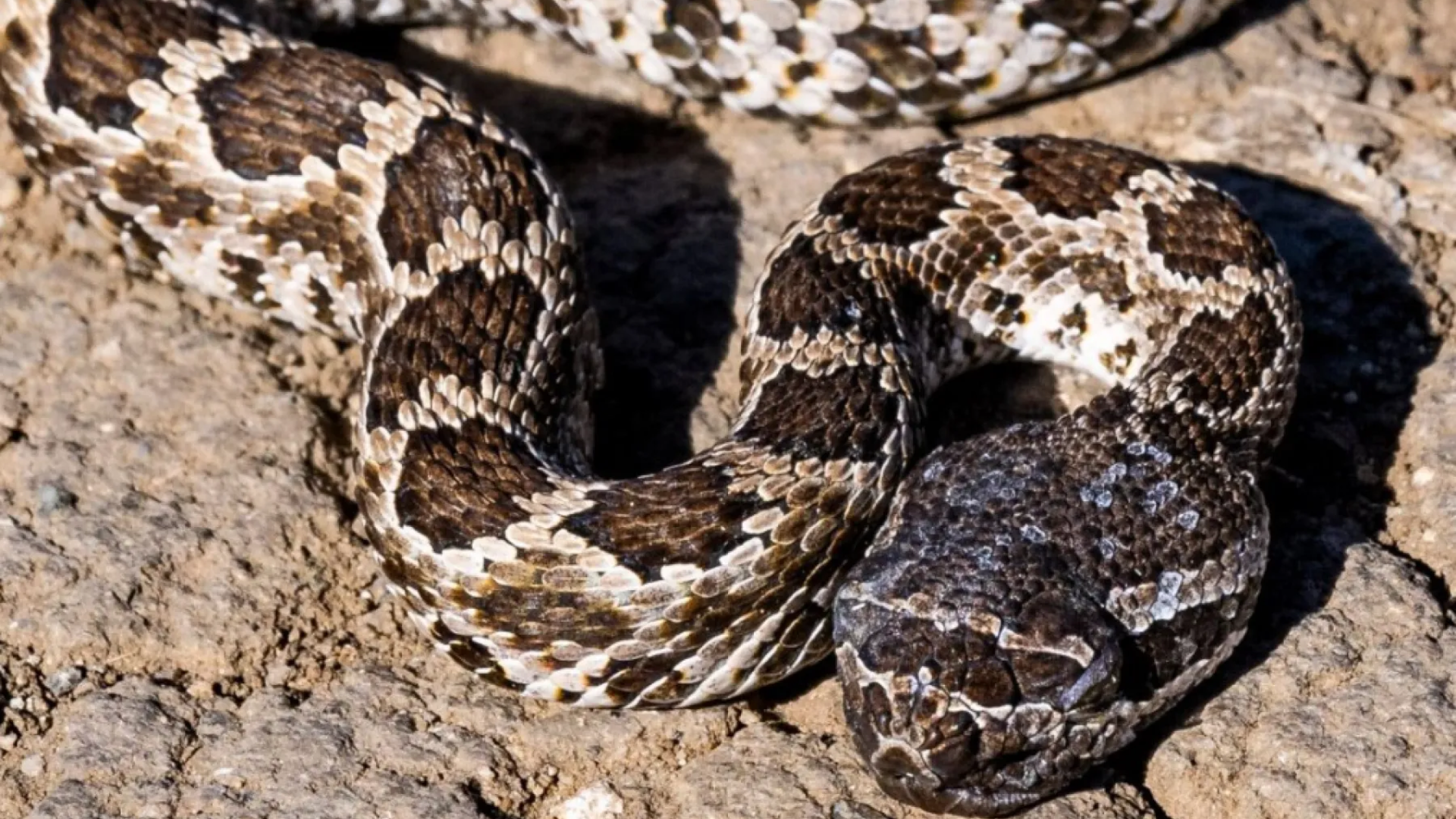
Most rattlesnakes prefer to stay hidden and avoid human interaction. Because of that, it’s possible for a rattlesnake to live near your property for days—or even weeks—without being noticed. Many homeowners only realize there’s a problem after a direct sighting or a close encounter.
Learning to recognize the early warning signs of rattlesnake activity around your property can help you take action before the situation becomes dangerous. Homeowners across Arizona increasingly rely on professional teams like Arizona Snake Removal to identify hidden snake risks before they escalate.
Why Rattlesnakes Stay Hidden
Rattlesnakes are naturally cautious animals. They look for places that provide:
Shelter from heat
Protection from predators
Access to food sources
Quiet, undisturbed hiding spots
If your property offers these conditions, a rattlesnake may settle nearby longer than you realize. As explained in Desert Shadows: Where Do Rattlesnakes Hide on Your Property, many snakes choose hiding areas homeowners rarely inspect.
Common Signs of Long-Term Rattlesnake Activity
Some clues are subtle, while others become more obvious over time. Paying attention to these warning signs can help identify a hidden snake problem early.
Shed Snake Skins Around the Property
One of the clearest indicators of ongoing snake activity is finding shed skin.
Why Snakes Shed
Rattlesnakes shed their skin as they grow. If you repeatedly find shed skins around:
Garages
Woodpiles
Landscaping rocks
Storage areas
…it may indicate a snake has been using that area regularly.
Freshly shed skin is often soft and intact, while older sheds become dry and brittle. Articles like Rattlesnake Den Sites: How to Identify and Remove Them Safely explain why repeated shedding in the same location may signal an active den nearby.
Increased Rodent Activity
Rattlesnakes stay where food is available. A sudden increase in rats or mice may attract snakes to your property—and keep them there.
Watch for Signs Like:
Rodent droppings
Chewed materials
Nesting activity
Scratching sounds in walls or sheds
If rodents are thriving, snakes may not be far behind. The connection between prey populations and snake presence is explored in Rattlesnakes and Rodents: The Hidden Relationship That Invites Danger.
Strong preventative snake measures combined with rodent control are often the most effective long-term solution.
Unusual Pet Behavior
Dogs and cats often notice snakes before humans do.
Warning Behaviors Include:
Barking or growling at one area repeatedly
Refusing to enter certain spaces
Intense sniffing near rocks, bushes, or garages
Sudden nervousness outdoors
Pets may sense a snake hiding nearby even when it’s completely out of sight. Many pet owners discover this too late, which is why articles like Dogs and Desert Death Traps have become essential reading in snake-prone communities.
Slither Tracks or Disturbed Dust
In dusty, sandy, or muddy areas, snakes can leave behind movement trails.
Where to Look:
Along walls and fences
Near crawl spaces
Around garages and sheds
In garden beds or dirt pathways
Repeated tracks in the same area can suggest ongoing activity. If you’re unsure what snake movement patterns look like, Rattlesnake Tracks: How to Read the Signs Before You Step provides useful visual guidance.
Frequent Bird or Small Animal Disturbances
Wildlife behavior can sometimes reveal hidden predators.
You may notice:
Birds sounding alarm calls repeatedly
Sudden disappearance of small animals
Increased activity from prey animals avoiding certain spots
These changes can indicate a predator—like a rattlesnake—is nearby.
Hidden Shelter Areas Around the Property
Rattlesnakes rarely stay out in the open for long. They usually establish themselves near reliable shelter.
Common Hiding Areas Include:
Woodpiles
Decorative rock landscaping
Thick vegetation
Yard debris
Cluttered storage areas
Gaps under sheds or patios
The longer these areas remain undisturbed, the more attractive they become. In fact, Buried in the Gravel: The Silent Risk of Decorative Rock Landscaping explains why popular desert landscaping designs often become ideal snake habitat.
Professional residential snake removal inspections can help uncover these hidden shelter zones before an encounter happens.
A Strong Musky Odor in Enclosed Spaces
Some homeowners report a strange musky smell in garages, crawl spaces, or storage areas where snakes have been present for extended periods.
While not always noticeable, unusual odors combined with other signs may point to hidden wildlife activity. What Does a Rattlesnake Smell Like? explores why certain snake-infested areas develop distinctive odors over time.
Why Long-Term Snake Activity Matters
A rattlesnake that has settled around your property may become more difficult to detect over time because it learns the environment and hiding places.
Long-term activity increases the risk of:
Accidental encounters
Pet bites
Human injuries
Snakes entering garages or homes
That’s why early detection and prevention are important. According to How We Inspect Properties for Potential Snake Hiding Spots, even small overlooked areas can become long-term snake shelter.
How to Reduce the Chances of Rattlesnakes Staying Nearby
The best approach is making your property less attractive over time.
Remove Food Sources
Strong rodent control is essential since rodents attract rattlesnakes. The guide Rodent Control and Snake Prevention: Why One Fails Without the Other explains why both issues must be addressed together.
Eliminate Hiding Spots
Clear debris, trim vegetation, and organize storage areas regularly. Homeowners often benefit from learning How to Make Your Yard Less Attractive to Rattlesnakes.
Seal Entry Points
Inspect garages, sheds, and foundations for gaps or openings. Snakes can access surprisingly tight spaces, as discussed in How Rattlesnakes Get Into Arizona Homes Through Tiny Gaps You Never Notice.
Maintain Outdoor Spaces
Keep grass short and reduce clutter around structures.
When to Call a Professional
If you notice multiple warning signs or suspect a rattlesnake has been living near your property for an extended period, professional help is the safest option.
Specialists offering emergency snake removal can:
Inspect high-risk areas
Identify active habitats
Safely remove snakes if needed
Recommend long-term prevention strategies
In larger facilities, commercial snake removal services may also be necessary to protect employees, customers, and operations.
Many homeowners also choose humane snake relocation services that safely move rattlesnakes away from residential areas while supporting conservation efforts.
For families and communities wanting to improve awareness, professional educational programs can help people better understand snake behavior and prevention.
You can also learn more about the team’s experience and approach on the About Us page.
Final Thoughts
Rattlesnakes are experts at remaining unnoticed, which is why homeowners should pay attention to the subtle signs of activity around their property.
From shed skins and rodent problems to unusual pet behavior, these warning signals can help you spot a hidden issue before it becomes dangerous.
The key takeaway is simple: the earlier you recognize the signs, the easier it is to prevent a serious encounter.