
Why Backyard Bird Feeders Can Increase Snake Activity Around Your Home
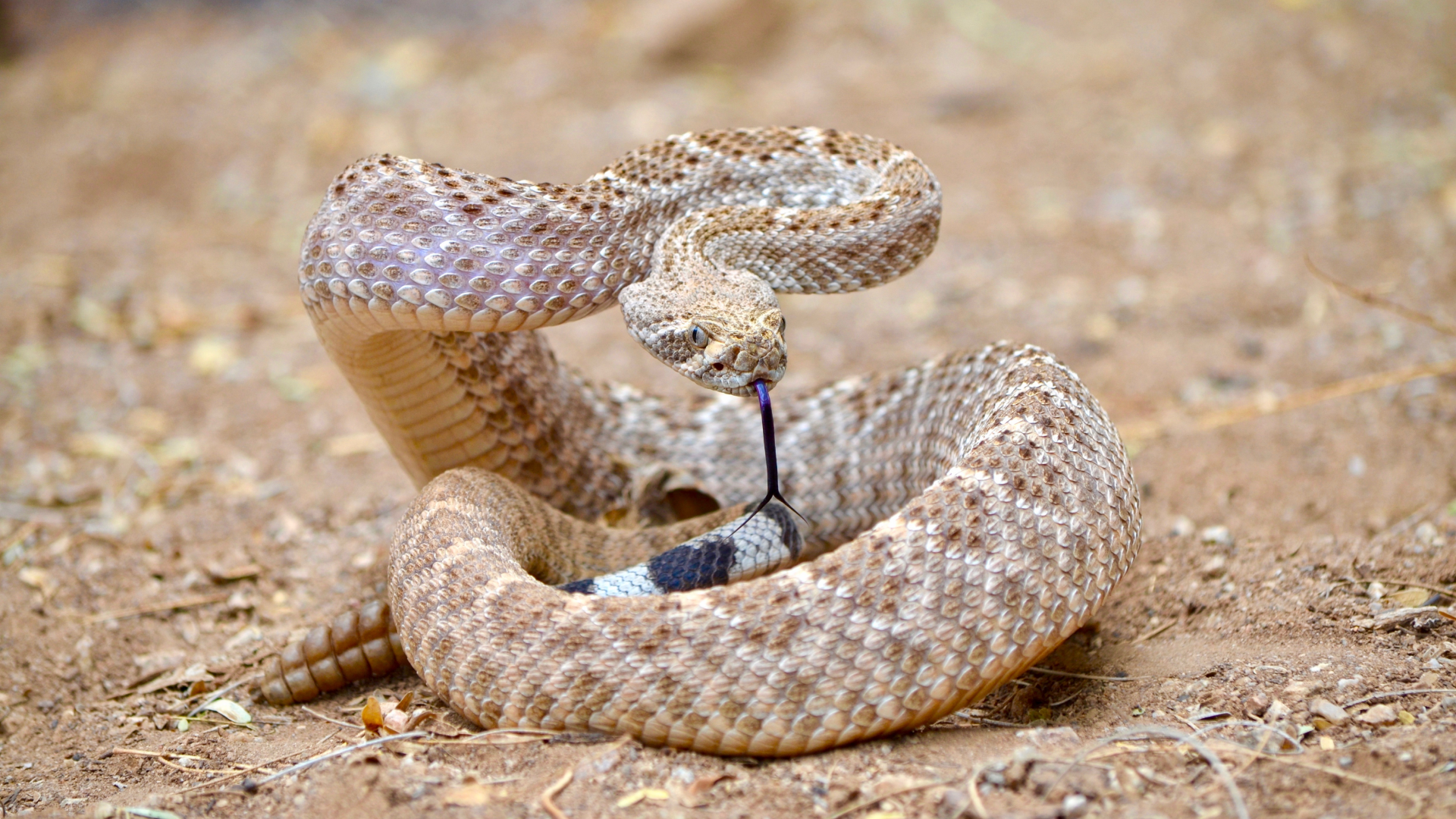
Bird feeders are a wonderful way to attract colorful wildlife and enjoy nature from your backyard. However, many homeowners are surprised to learn that bird feeders can sometimes contribute to increased snake activity around residential properties.
The connection isn’t usually the birds themselves—it’s the chain reaction that begins when bird seed attracts other animals. Understanding how this happens can help you continue enjoying backyard birdwatching while reducing the risk of unwanted snake encounters.
The Hidden Connection Between Bird Feeders and Snakes
Most snakes are not attracted to bird feeders directly. Instead, they are drawn to the food sources and shelter opportunities that often develop around them.
A typical sequence looks like this:
Bird feeder → spilled seed → rodents → snakes
When bird seed accumulates on the ground, it can attract mice, rats, squirrels, and other small animals. These animals are a natural food source for many snake species, including rattlesnakes.
Homeowners who want a deeper understanding of this predator-prey relationship can explore insights in Rattlesnakes and Rodents: The Hidden Relationship That Invites Danger.
Spilled Bird Seed Attracts Rodents
One of the most common issues with backyard bird feeders is excess seed falling onto the ground.
Why This Matters
Rodents quickly learn where easy food sources are located. Even a small amount of seed scattered daily can support a growing rodent population.
Common visitors include:
Mice
Rats
Ground squirrels
Chipmunks (where present)
Once rodents begin visiting regularly, predators often follow.
As discussed in Rodent Control and Snake Prevention: Why One Fails Without the Other, controlling rodent populations is often one of the most effective long-term snake prevention strategies.
Snakes Follow Their Food Source
Snakes are efficient hunters that prefer locations where prey is easy to find.
A Reliable Feeding Area
A yard with consistent rodent activity can become an attractive hunting ground. If rodents frequently gather beneath feeders, snakes may begin visiting the same area.
Over time, they may establish hiding spots nearby and return regularly if food remains available.
Many property owners are surprised to discover how much wildlife activity can develop around a feeder station, especially when conditions mirror those described in What Attracts Rattlesnakes to Your Home and How to Stop It.
Bird Feeders Can Create Additional Shelter Opportunities
The feeder itself may not attract snakes, but the surrounding environment sometimes does.
Landscaping Around Feeders
Many homeowners place feeders near:
Shrubs and bushes
Garden beds
Decorative rock features
Trees and dense vegetation
These features can provide shade and cover for both rodents and snakes.
The combination of food and shelter creates an environment that supports ongoing wildlife activity.
Decorative rock landscaping deserves particular attention, as explained in Buried in the Gravel: The Silent Risk of Decorative Rock Landscaping.
Ground-Feeding Birds Can Increase Activity
Some bird species naturally feed on seeds that fall to the ground. While this behavior is normal, it can also leave behind additional food that attracts rodents after the birds leave.
When seed remains available overnight, it becomes particularly attractive to nocturnal rodents.
Combined with dense landscaping, these conditions can create ideal hunting opportunities for snakes, particularly during warmer months.
Signs Your Bird Feeder May Be Attracting More Than Birds
Homeowners should periodically check around feeding areas for signs of unintended visitors.
Warning Signs Include:
Rodent droppings near feeders
Burrows or holes in the yard
Chewed seed bags or storage containers
Snake skins nearby
Unusual pet behavior around feeding areas
If multiple signs appear together, it may be time to adjust your bird-feeding setup.
You may also benefit from reviewing Signs a Rattlesnake Has Been Living Around Your Property for Weeks to identify early warning indicators.
How to Enjoy Bird Feeders While Reducing Snake Risk
Fortunately, you don't have to remove bird feeders entirely to lower the chances of snake activity.
Use Seed Catchers
Seed trays or catchers beneath feeders can reduce the amount of seed that reaches the ground.
Clean Feeding Areas Regularly
Remove spilled seed frequently to prevent rodents from establishing a dependable food source.
Store Bird Seed Properly
Keep seed in sealed containers that rodents cannot access.
Trim Nearby Vegetation
Reduce hiding spots by keeping bushes, grass, and landscaping around feeders well maintained.
Monitor for Rodent Activity
Address rodent problems early before they attract larger predators.
Additional yard-management recommendations can be found in How to Snake-Proof Your Yard: Lessons from the Arizona Desert and How to Make Your Yard Less Attractive to Rattlesnakes.
The Importance of Rodent Control
Effective rodent control is one of the most important components of snake prevention.
Even if bird feeders are present, reducing rodent populations can make your property far less attractive to snakes.
Property owners should focus on:
Eliminating food sources
Securing trash and pet food
Sealing potential nesting areas
Conducting regular inspections
For homeowners seeking professional guidance, implementing comprehensive preventative snake measures can significantly reduce the likelihood of future encounters.
When to Seek Professional Assistance
If you notice repeated snake sightings around bird-feeding areas, a professional inspection may help identify contributing factors.
Experts can:
Evaluate rodent activity
Locate potential snake habitats
Recommend prevention strategies
Safely address active snake issues if necessary
Professional residential snake removal services can help homeowners address immediate concerns, while snake relocation services provide a humane solution when snakes are found on the property.
If a snake presents an urgent safety concern, emergency snake removal may be the safest course of action.
Final Thoughts
Bird feeders can bring beauty and wildlife to your backyard, but they can also create unintended consequences when spilled seed attracts rodents.
Because snakes often follow their food source, an unmanaged feeding area may increase the likelihood of snake activity around your home.
The good news is that with proper feeder maintenance, landscaping, and rodent control, you can continue enjoying backyard birds while making your property less attractive to snakes.
For additional snake safety resources, educational materials, and professional guidance, homeowners can learn more through the team at Arizona Snake Removal, review their About Us page, or explore their educational programs designed to help communities better understand snake behavior and prevention.
The key takeaway is simple: it’s usually not the birds attracting snakes—it’s everything that gathers around the bird feeder afterward.