
Can Rattlesnakes Climb Walls, Fences, or Trees? What Arizona Residents Should Know
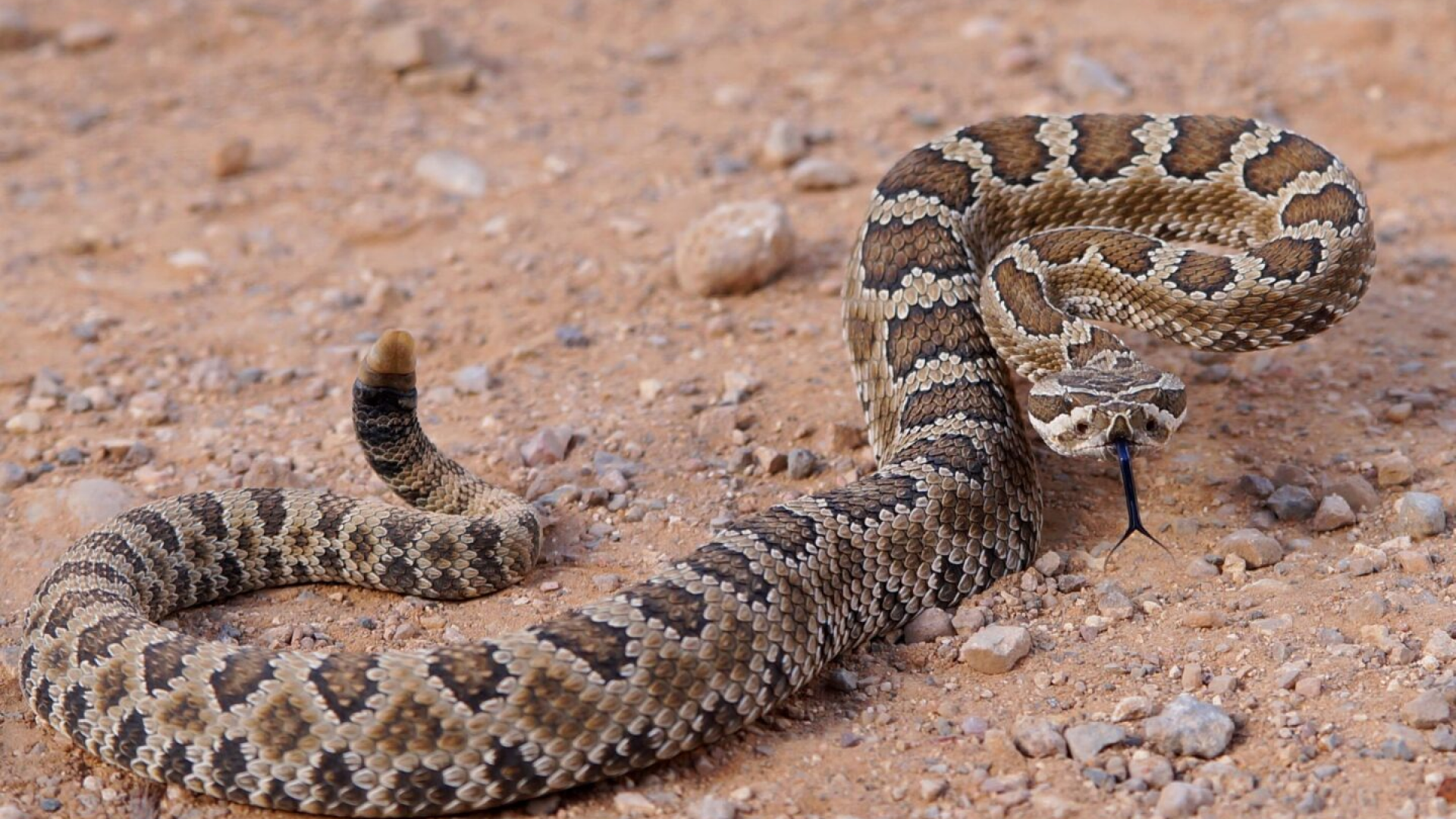
Many Arizona homeowners are surprised to learn that rattlesnakes are more capable climbers than most people realize. While rattlesnakes are primarily ground-dwelling reptiles, certain species can climb trees, navigate rocky walls, and even scale some types of fences when conditions allow.
For residents across Phoenix, Tucson, Scottsdale, Mesa, and other Arizona communities, understanding the climbing abilities of rattlesnakes can help reduce unexpected encounters and improve property safety. Knowing where rattlesnakes can and cannot go is an important part of effective snake prevention.
Can Rattlesnakes Really Climb?
The short answer is yes—some rattlesnakes can climb.
Although they are not as agile as many non-venomous snake species, rattlesnakes possess strong muscles and flexible bodies that allow them to move across a variety of surfaces. Their climbing ability depends on factors such as the snake's size, the texture of the surface, and the surrounding environment.
While a rattlesnake is unlikely to scale a completely smooth vertical wall, it can often climb structures that provide enough traction or footholds.
Can Rattlesnakes Climb Trees?
Yes, Some Rattlesnakes Can Climb Trees
Several rattlesnake species found in the Southwest have been observed climbing trees, shrubs, and large desert plants.
They may climb for several reasons, including:
Seeking cooler temperatures
Escaping predators
Searching for prey
Finding shelter
Accessing bird nests
Young rattlesnakes are often more agile climbers than larger adults, although mature snakes can climb when motivated.
Trees That May Attract Snakes
Arizona properties with dense vegetation may occasionally provide climbing opportunities for rattlesnakes. Potential areas include:
Mesquite trees
Palo verde trees
Large desert shrubs
Citrus trees
Dense ornamental landscaping
Fortunately, tree-climbing rattlesnake encounters remain relatively uncommon in most residential neighborhoods.
Can Rattlesnakes Climb Fences?
It Depends on the Fence Type
Not all fences are equally difficult for a rattlesnake to navigate. Some fence styles provide enough texture and support for climbing, while others create effective barriers.
Rattlesnakes may be able to climb:
Chain-link fences
Wire fencing
Rough wooden fences
Fences with horizontal supports
Vegetation-covered fencing
These structures offer traction points that can help a snake gain elevation.
Snake-Proof Fences Are Different
Many Arizona homeowners install specialized snake fencing designed to prevent rattlesnake entry.
Effective snake barriers typically feature:
Fine mesh materials
Smooth surfaces
Proper height
Buried lower edges
Secure gates
When professionally installed and maintained, snake fencing can significantly reduce the chances of rattlesnakes entering a yard.
Can Rattlesnakes Climb Walls?
Rock Walls Are Easier Than Smooth Walls
Decorative rock walls, retaining walls, and natural stone features are common throughout Arizona landscapes. Because these structures contain cracks, ledges, and uneven surfaces, they often provide excellent climbing opportunities for rattlesnakes.
A snake may use these gaps to:
Move between elevations
Access shaded areas
Search for prey
Reach shelter locations
Smooth Vertical Walls Are More Challenging
Completely smooth stucco, concrete, or masonry walls generally do not provide enough grip for rattlesnakes to climb. However, homeowners should not assume a wall is completely snake-proof if nearby landscaping, stacked materials, or decorative features provide alternate access routes.
Why Rattlesnakes Climb in Arizona
Many people imagine rattlesnakes spending all their time on the ground, but climbing can serve important survival purposes.
Escaping Extreme Heat
Arizona summers often produce temperatures exceeding 100°F. Climbing into shaded vegetation or elevated areas may help rattlesnakes avoid dangerous surface temperatures.
Hunting for Food
Rattlesnakes follow food sources wherever they go. Bird nests, rodents, lizards, and other prey animals may occupy elevated locations that attract snakes.
Finding Shelter
Rock crevices, tree cavities, and elevated hiding spots can provide protection from predators and harsh weather conditions.
Common Areas Around Homes Where Climbing Occurs
Arizona residents should pay special attention to areas that naturally support snake movement. These include:
Rock retaining walls
Decorative boulder landscapes
Chain-link fences
Dense shrubs
Overgrown vegetation
Wood piles near fences
Cluttered storage areas
Garden structures and trellises
Reducing access to these features can help discourage rattlesnakes from lingering near homes.
How to Reduce the Risk of Snake Encounters
Keep Landscaping Maintained
Trim bushes, shrubs, and tree branches that create hidden pathways or shaded shelter areas.
Remove Rodent Attractions
Rodents are one of the primary food sources for rattlesnakes. Eliminating rodent activity can make your property less appealing.
Inspect Rock Features
Retaining walls and decorative rock installations should be monitored regularly for snake activity.
Eliminate Excess Yard Clutter
Remove unnecessary piles of lumber, debris, equipment, and other materials that provide shelter.
Consider Professional Snake Prevention Services
Snake management professionals can identify property features that increase the likelihood of rattlesnake activity and recommend effective prevention strategies.
What to Do If You Spot a Rattlesnake
If you see a rattlesnake on a fence, wall, tree, or anywhere else on your property:
Stay calm.
Keep a safe distance.
Move children and pets indoors.
Do not attempt to capture or relocate the snake.
Contact a professional snake removal specialist if necessary.
Attempting to handle a rattlesnake is one of the leading causes of snakebite incidents.
Final Thoughts
So, can rattlesnakes climb walls, fences, or trees? In many situations, yes. While rattlesnakes are primarily ground-dwelling reptiles, they are capable climbers when surfaces provide enough traction and when food, shelter, or cooler temperatures make climbing worthwhile.
For Arizona homeowners, understanding these behaviors is an important part of snake awareness and prevention. By maintaining landscaping, reducing rodent activity, minimizing hiding spots, and staying alert around rock walls and fencing, residents can help lower the risk of unwanted rattlesnake encounters throughout the year.
The good news is that most rattlesnakes prefer to avoid people whenever possible. A little knowledge and proactive property maintenance can go a long way toward keeping both homeowners and wildlife safe.