
Why Some Snake Removal Calls Are Actually Conservation Opportunities
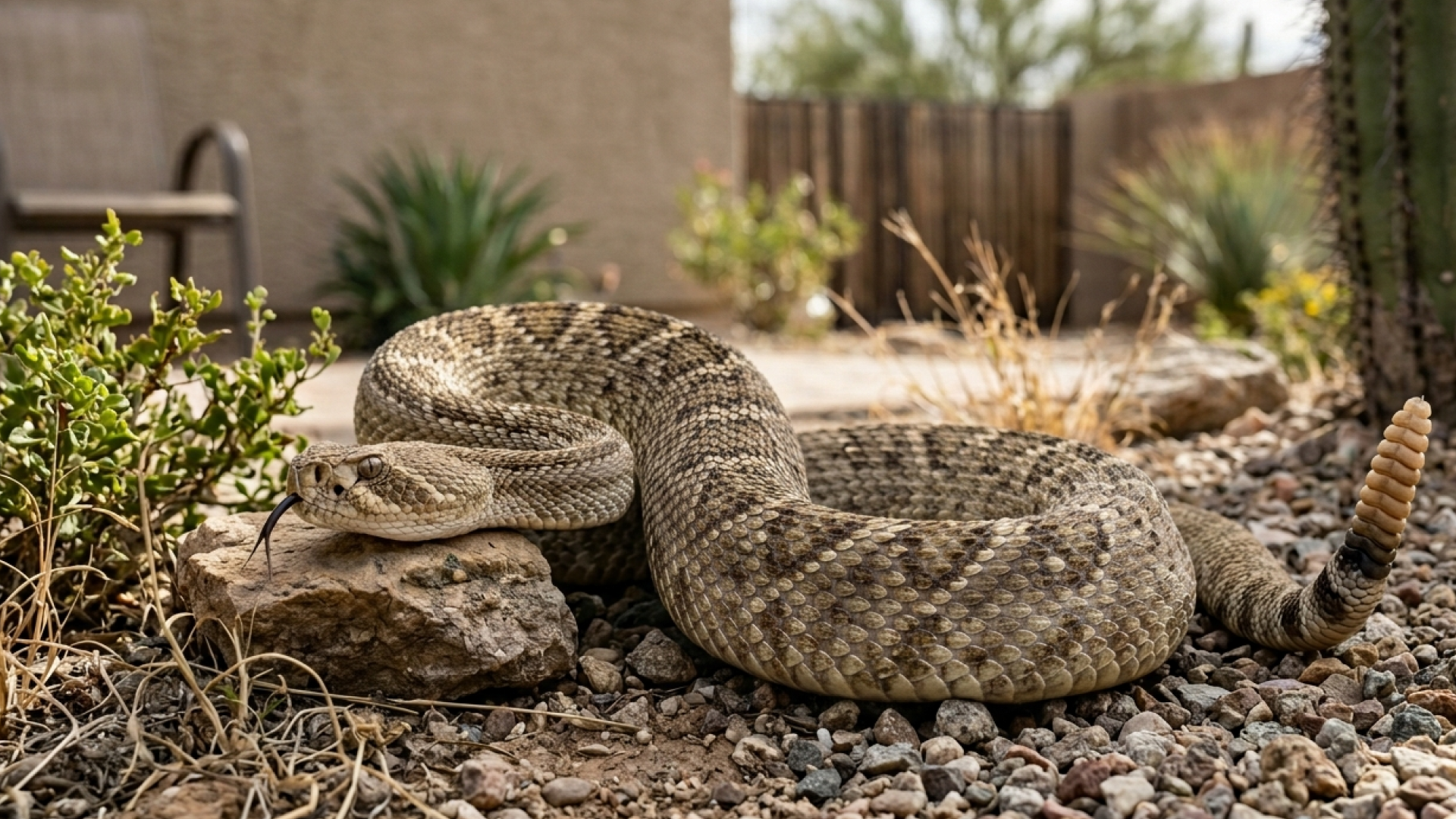
When most people think about snake removal, they imagine a stressful situation that needs to be handled quickly. And while safety is always the top priority, not every snake encounter has to end in fear or harm. In many cases, snake removal calls can become valuable conservation opportunities.
With the right approach—like those used by professionals at snake removal experts—these situations can protect both people and wildlife while promoting a healthier, more balanced ecosystem.
Understanding the Role of Snakes in the Ecosystem
Snakes are often misunderstood, but they play a critical role in maintaining ecological balance.
Natural Pest Control
Many snake species feed on rodents, insects, and other small animals. This helps control populations that might otherwise damage crops, spread disease, or invade homes. In fact, the connection between prey and predators is explored in detail in this guide on rattlesnakes and rodents.
Part of the Food Chain
Snakes are both predators and prey. They contribute to a larger ecosystem that supports birds of prey, mammals, and other wildlife.
Removing snakes unnecessarily can disrupt this balance, especially in areas where they help keep pest populations in check.
Not Every Snake Needs to Be Removed
One of the biggest misconceptions is that every snake sighting requires removal or relocation.
Many Snakes Are Harmless
A large percentage of snakes encountered on residential or commercial properties are non-venomous and pose little to no threat if left undisturbed.
In these cases, a professional offering residential snake removal may determine that the best course of action is simply monitoring the situation or educating the property owner rather than intervening.
Relocation Isn’t Always the Best Option
While relocation may seem humane, it can actually reduce a snake’s chances of survival. Ethical handling practices—like those described in snake relocation services—focus on minimizing harm and ensuring the snake remains in a suitable habitat.
How Removal Calls Turn Into Conservation Opportunities
When handled by knowledgeable professionals, snake encounters can lead to better outcomes for both humans and wildlife.
1. Education in Real Time
Every call becomes a chance to educate property owners about snake behavior, identification, and risk levels. Programs like these educational programs help communities better understand wildlife instead of fearing it.
You can also explore real-world insights in this article on coexisting safely with snakes.
2. Promoting Safe Coexistence
Instead of viewing snakes as threats, homeowners can learn how to safely coexist. This includes understanding behaviors explained in resources like what attracts rattlesnakes.
Simple awareness reduces panic and unnecessary removal calls.
3. Encouraging Preventive Practices
Professionals often identify why the snake was there in the first place. Prevention is key, and services like preventative snake measures help eliminate attractants such as shelter, water, and prey.
For deeper insight, guides like how to snake proof your yard offer practical steps homeowners can take.
The Importance of Ethical Snake Handling
Not all snake removal approaches are the same. Ethical practices prioritize both human safety and animal welfare.
Humane Capture and Release
When removal is necessary, trained professionals use safe and humane methods. Learn more about the process in understanding snake relocation ethics.
Minimizing Stress and Harm
Proper handling reduces risks for everyone involved. Experienced teams, like those highlighted on the about us page, emphasize safety, training, and conservation.
Benefits for Communities and the Environment
Turning snake removal into a conservation-minded process creates long-term benefits.
Reduced Fear and Panic
Education replaces fear with understanding. Articles like top rattlesnake myths help debunk common misconceptions.
Healthier Ecosystems
Allowing snakes to fulfill their ecological role supports biodiversity and natural pest control.
Fewer Repeat Encounters
Addressing root causes—like those discussed in rodent control and snake prevention—reduces future encounters significantly.
When Removal Is Necessary
Of course, not every situation allows for a hands-off approach.
Snake removal is important when:
The snake is inside a home or building
There is a clear safety risk
The species is venomous and near people
The snake shows signs of stress or aggression
In urgent cases, services like emergency snake removal ensure fast, safe intervention. You can learn what happens during these situations in this emergency removal guide.
For businesses, specialized solutions such as commercial snake removal address larger-scale risks and liabilities.
Final Thoughts
Snake removal doesn’t always have to be about eliminating a problem—it can also be about understanding and managing it wisely.
By treating some removal calls as opportunities for education and conservation, we can:
Protect people and property
Preserve important wildlife
Build more informed, confident communities
The next time a snake is spotted, it might not just be a problem to solve—it could be a chance to learn, adapt, and support the natural balance around us.